Schools/Tokyo/
Japanese Tokyo International School (JTIS)
Tokyo
·Nishi-Shinjuku
Japanese Tokyo International School (JTIS)
日本東京国際学院
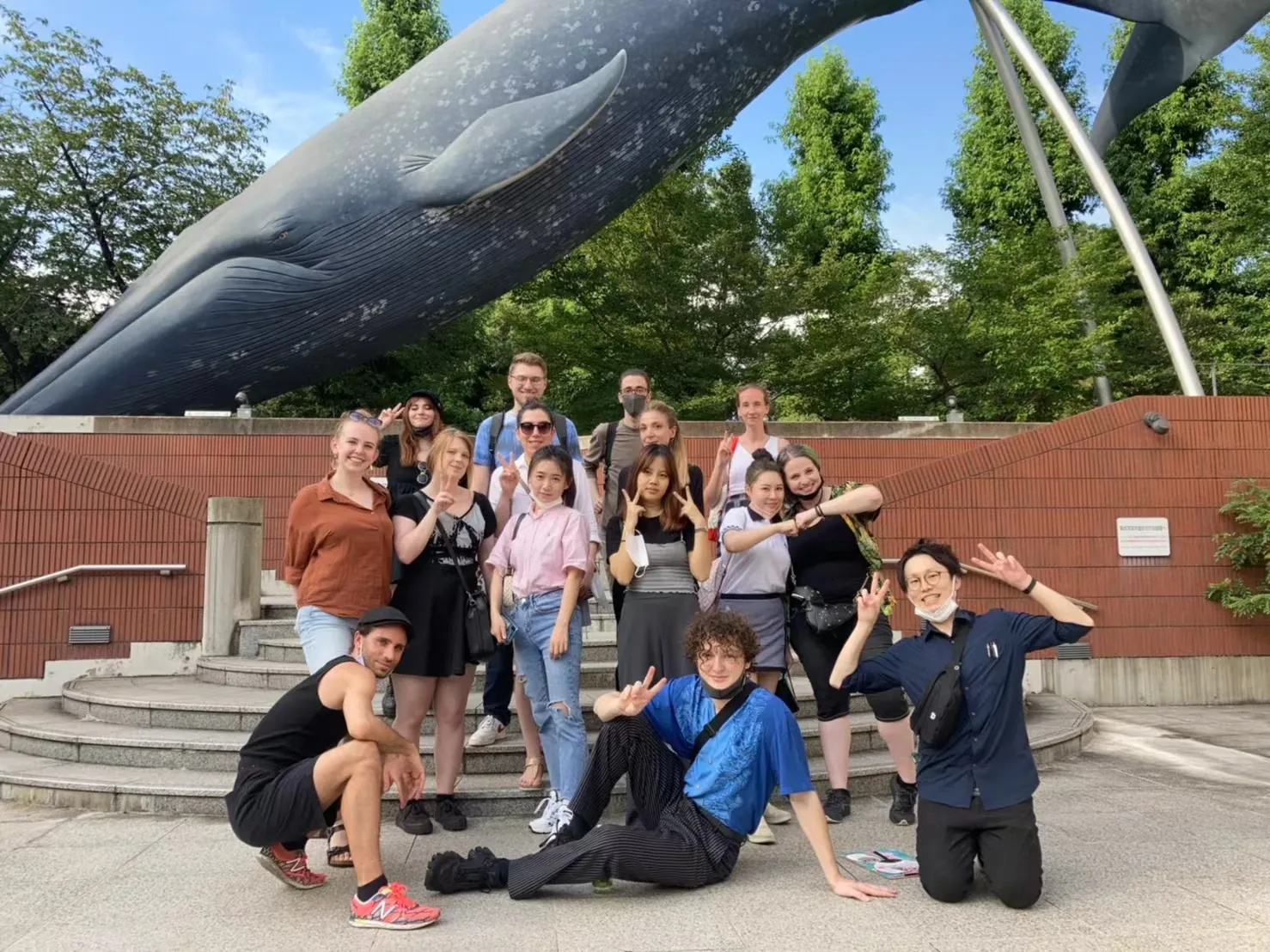
Students from 20+ countries
2 min from the subway
Since 1986
About the school
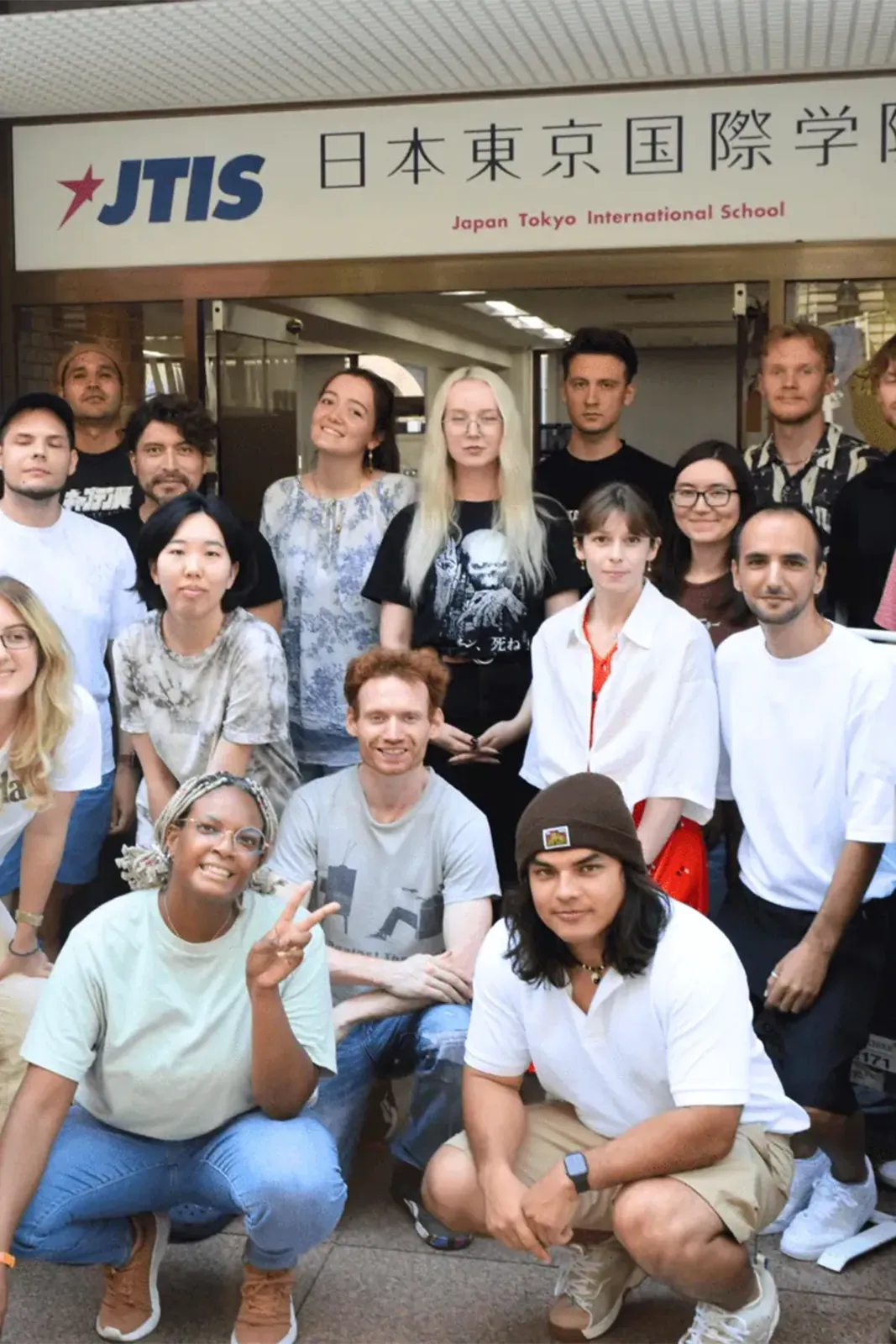
JTIS is a Japanese language school in Shinjuku, 2 minutes from Nishi-Shinjuku Station, teaching since 1986. It has one of the most international student mixes in Tokyo, with students from the US, Italy, France and Germany studying alongside students from China.
Founded1986
Students from20+ countries
Course length15 months – 2 years
IntakesApr · Jul · Oct · Jan
What makes it different
An international class in central Shinjuku
At many Tokyo language schools most students come from one or two Asian countries. At JTIS about half of each class comes from the US, Europe, Vietnam and other countries, so you speak Japanese in the breaks and after class too. Add the location: 2 minutes from Nishi-Shinjuku Station and one stop from Shinjuku.
Students
Students from 20+ countries
Besides China — the US, Italy, France, Germany, Spain, the UK, Vietnam and more. Japanese is the common language of the class.
Location
2 minutes from Nishi-Shinjuku
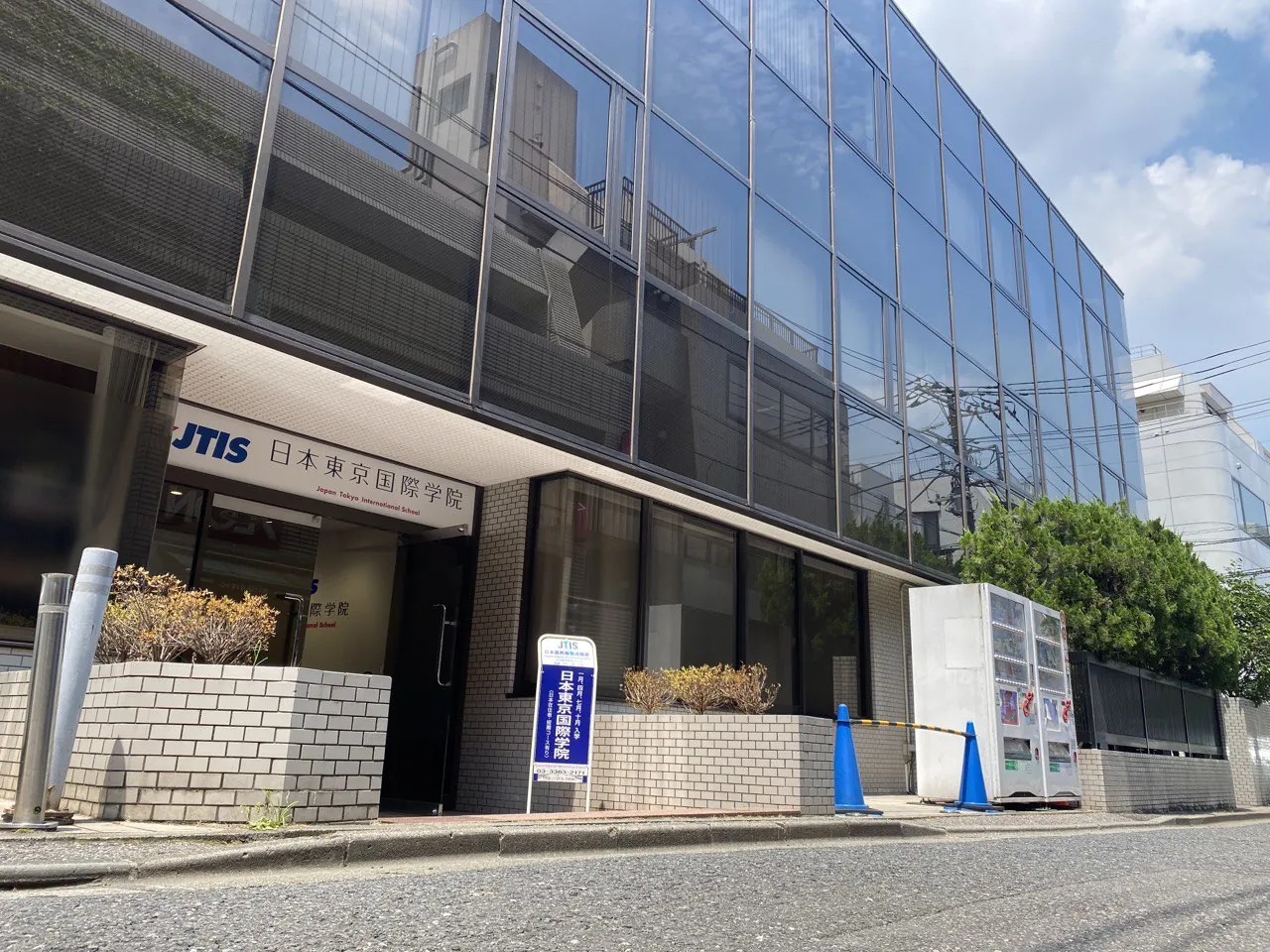
The school is by Nishi-Shinjuku subway station (Marunouchi Line) in business Shinjuku, one stop from Shinjuku Station.
Teaching
Living language, not just one textbook
The textbook is only a base: teachers use worksheets, tasks and activities outside the classroom. All teachers are qualified Japanese-language teachers.
University entrance
EJU and university preparation
Elective classes in EJU subjects, math and English, and one-to-one advice. Graduates have gone on to graduate schools at the University of Tokyo and Waseda, and to Keio, Sophia and Tokyo Institute of Technology.
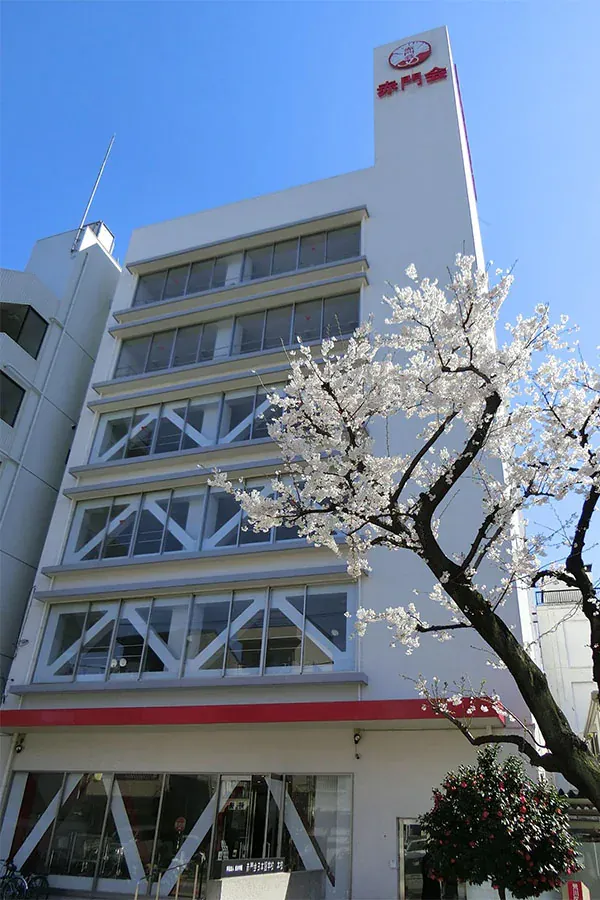
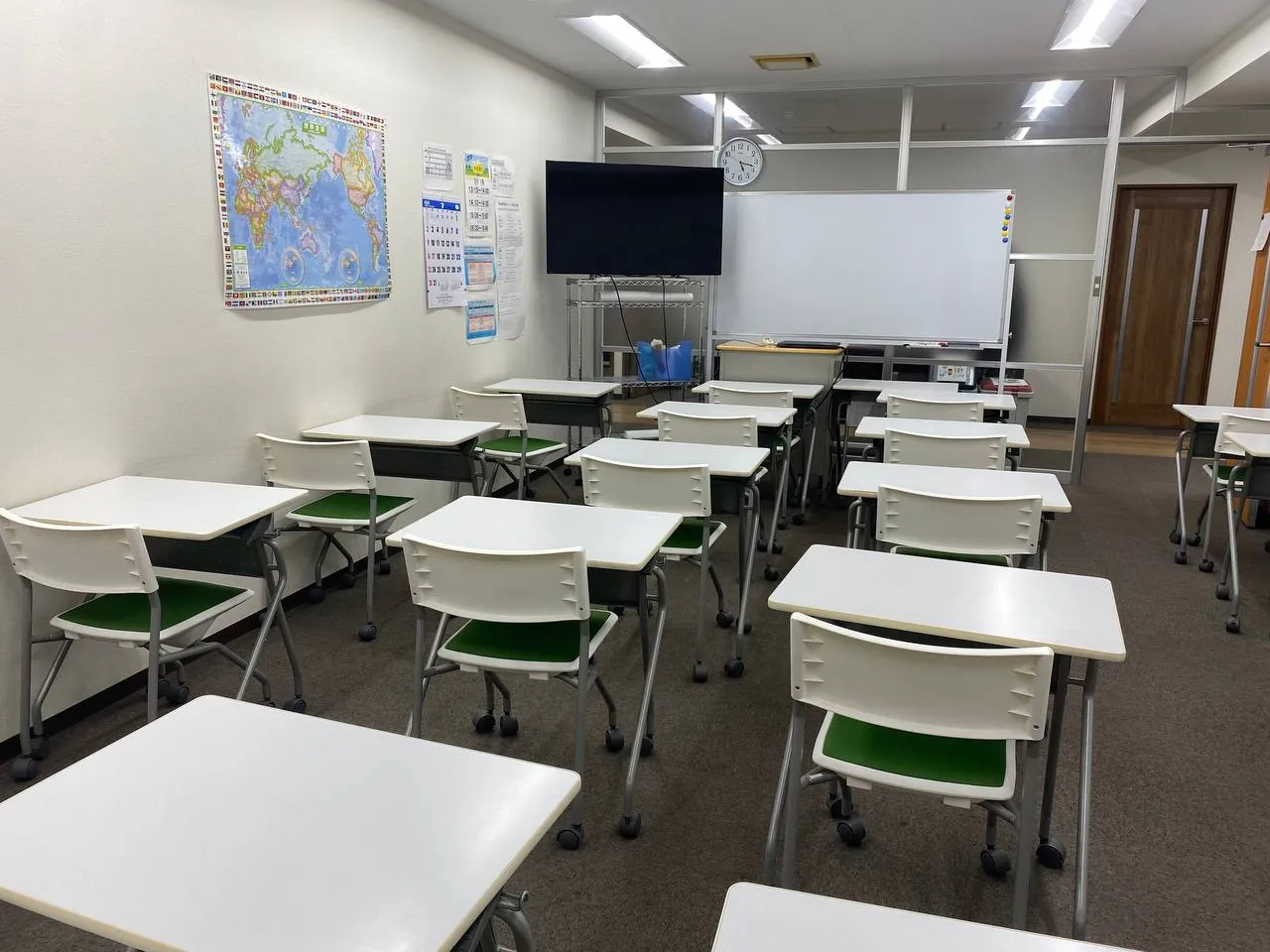
JTIS (日本東京国際学院) has taught Japanese to international students since 1986. The school is in Nishi-Shinjuku (Shinjuku ward), 2 minutes on foot from Nishi-Shinjuku Station on the Marunouchi subway line and one stop from Shinjuku Station. The small building runs two shifts with room for about 360 students; classes are small and the atmosphere is calm and personal.
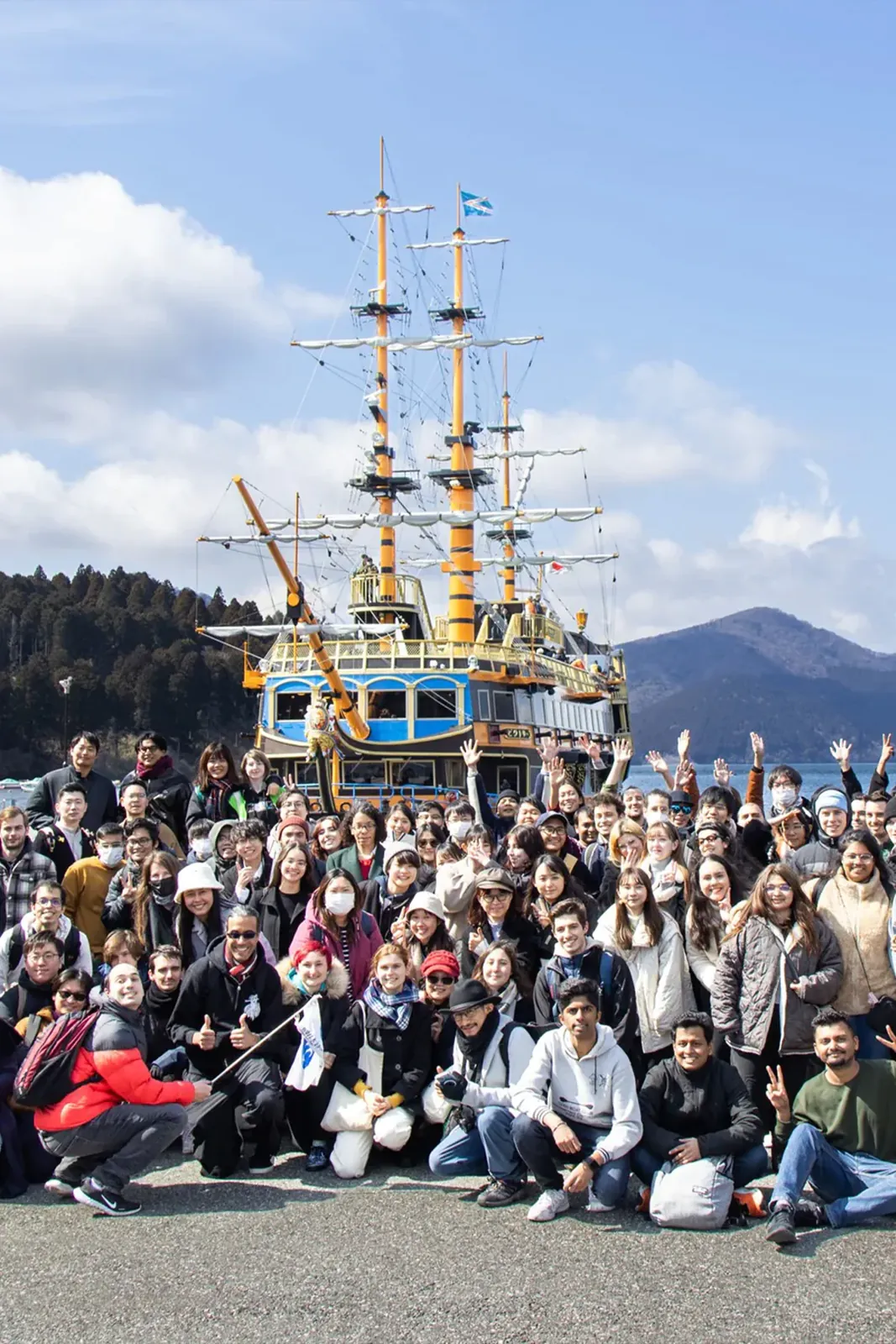
What sets JTIS apart is its international mix. About half of the students are from China; the rest come from the US, Italy, Vietnam, France, Germany, Spain, the UK and other countries. If you want not just to pass an exam but to speak Japanese in an international group, it is a rare option in Tokyo.
The main program is the university preparation course (進学コース), from 1 year 3 months to 2 years: 5 levels from beginner to advanced, 4 lessons a day in a morning or afternoon shift. Teachers are not tied to one textbook and focus on living language and speaking practice. For university applicants there are electives in the EJU subjects (Japanese, Japan and the World, math) and TOEIC/TOEFL preparation, and one-to-one advice starts just 3 weeks after you begin.
Programs
University Preparation Course (進学コース)
4 lessons of 45 minutes a day, 20 lessons a week, in the morning (9:00–12:30) or afternoon (13:15–16:45). 5 levels from beginner to advanced, with a focus on speaking, writing and listening, JLPT and EJU preparation, and classes and events outside the classroom.
Whole course¥1,102,550 – ¥1,714,500
Electives for university applicants
EJU-style Japanese, Japan and the World (geography, history, politics, economics), math and TOEIC/TOEFL preparation. One-to-one advice on choosing a university from week 3, help with documents and interview practice.
Short courses and courses for residents of Japan
Daily intensive classes or 2–3 lessons a week, plus business Japanese for working people. Price on request.
First-year costs
Application fee¥25,500
Enrollment fee¥55,000
Tuition, first year¥726,000
Other fees, first year¥91,000
Total, first year¥897,500
Whole course, 2 years — ¥1,714,500
Payment terms and extra costs
Scholarships and discounts
Scholarships — ask us
The JTIS website lists no scholarships of its own. Students at Japanese language schools with good attendance and grades can be nominated by their school for the JASSO scholarship for language-school students (¥30,000 a month) — ask us about places and conditions.
Intakes
April Main intake
University Preparation Course, 2 years. Applications from 1 August to 31 October of the previous year (for April 2027 — until 31 October 2026).
July Summer intake
1 year 9 months. Applications from 1 December to 28 February.
October Autumn intake
1 year 6 months. Applications from 1 February to 30 April.
January Winter intake
1 year 3 months. Applications from 1 June to 31 August. The school submits applications to immigration 3–4 months before the course starts.
The school applies for your Certificate of Eligibility; with the visa this takes about 4–6 months. Places are limited — apply early.
Student visa. For a long-term course you study on the Student status of residence: the school applies for your Certificate of Eligibility, then you get the visa at a Japanese embassy or consulate. Student visa for Japan · Which documents do I need?
Working while you study. With permission, up to 28 hours a week: Part-time work for students
Housing
School dormitory
JTIS dormitory
about ¥47,000 / month
You apply for the dormitory shortly before your course starts; places are not guaranteed. School staff meet dormitory residents at the airport.
On your own
Apartments and share houses
Nishi-Shinjuku is central Tokyo, so housing near the school costs more than in the suburbs. Many students rent an apartment or room further out along the Marunouchi Line and ride the subway without changing trains. The school advises bringing at least ¥300,000 for the first weeks.
Photos and videos
Location
Hoshino Bldg, 8-11-10 Nishi-Shinjuku, Shinjuku-ku, Tokyo 160-0023 — about 2 minutes on foot from Nishi-Shinjuku Station (Marunouchi Line, exit 1)
Questions about Japanese Tokyo International School (JTIS)
Can I start with no Japanese at all?
Yes. The school has 5 levels from beginner to advanced; on arrival you take a test and are placed in the right class and shift. For a student visa you need to start learning Japanese beforehand and prove it with documents.
What education do I need? I have 11 years of school.
The school accepts high-school graduates and above — by the Japanese standard, that means completing elementary, junior high and senior high school. With 11 years of school, talk to us first: to enter a Japanese university after language school you usually need 12 years of education.
How much does the first year cost?
¥897,500: selection fee ¥25,500, enrollment fee ¥55,000, tuition ¥726,000 and other costs ¥91,000. The second year for the April intake is ¥817,000, so 2 years total ¥1,714,500. The 1 year 3 months course (January) is ¥1,102,550. Prices apply to intakes from April 2027.
Who studies at JTIS?
About half of the students are from China; the rest come from the US, Italy, Vietnam, France, Germany, Spain, the UK and other countries. In total about 275 students from 20+ countries (as of July 2025).
Is there a dormitory?
Yes, the school dormitory costs about ¥47,000 a month, and residents are met at the airport. You apply shortly before your course starts; places are not guaranteed. The school advises having at least ¥300,000 with you for the first weeks.
Can I work part-time?
Yes, once you have permission from immigration: up to 28 hours a week, and in school holidays up to 8 hours a day (40 hours a week). School staff help you find work, though the school advises beginners to focus on Japanese for the first six months.
Compare