Schools/Tokyo/
Nichibei Kaiwa Gakuin
Tokyo
·Yotsuya, Shinjuku
Nichibei Kaiwa Gakuin
日米会話学院 日本語研修所
University year 3+
Business Japanese
3 min from Yotsuya
About the school
A business Japanese institute in Yotsuya, central Tokyo, since 1967. Student visas are sponsored only for university students in their third year or above and university graduates: classes of up to 14, the institute’s own textbooks and help finding work in Japan.
Founded1967
Students from90+ countries
Course length1 or 2 years
IntakesApr · Jul · Oct · Jan
What makes it different
Business Japanese for adults — university students and graduates only
Nichibei Kaiwa Gakuin is not a school for recent school leavers: on a student visa it accepts only university students in their third year or above and university graduates. The typical student is an adult professional preparing to work in Japan. The institute has its own business Japanese textbooks, 8 levels up to negotiations and presentations, classes of up to 14 and help with CVs and interviews.
Who it is for
University students from year 3 and graduates
Only they can join the student-visa course. You cannot enroll straight after secondary school — a school with a university preparation course is a better fit for that.
Business Japanese
The institute’s own textbooks
NIHONGO EXPRESS and 実戦ビジネス日本語会話 were written by the institute’s teachers. The program goes up to negotiations and presentations (BJT J1+).
Careers
CVs, interviews, job openings
CV reviews, mock interviews in Japanese, openings from partner recruitment agencies, and seminars on job hunting and starting a business.
Small classes
Up to 14 students, 10 on average
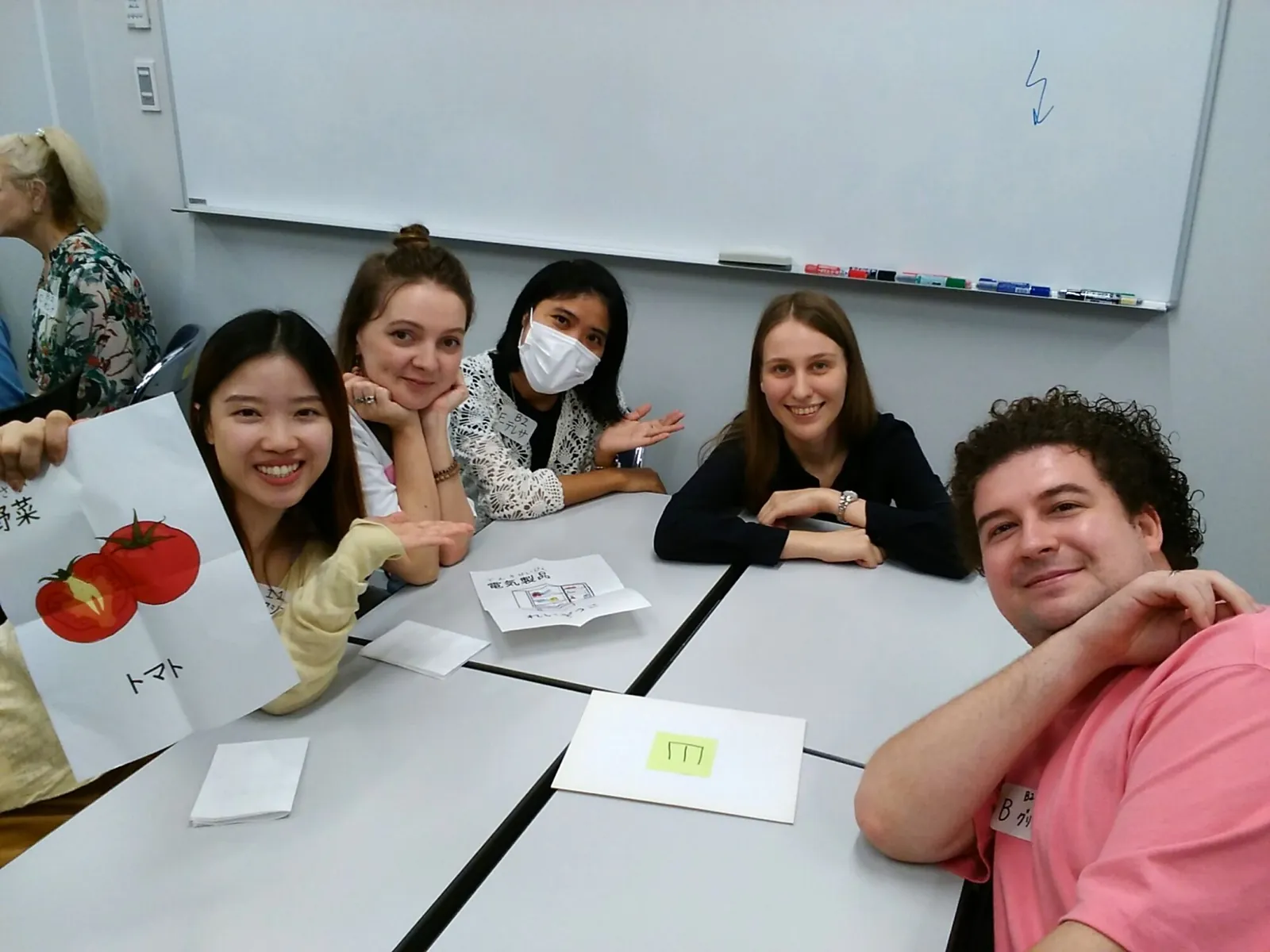
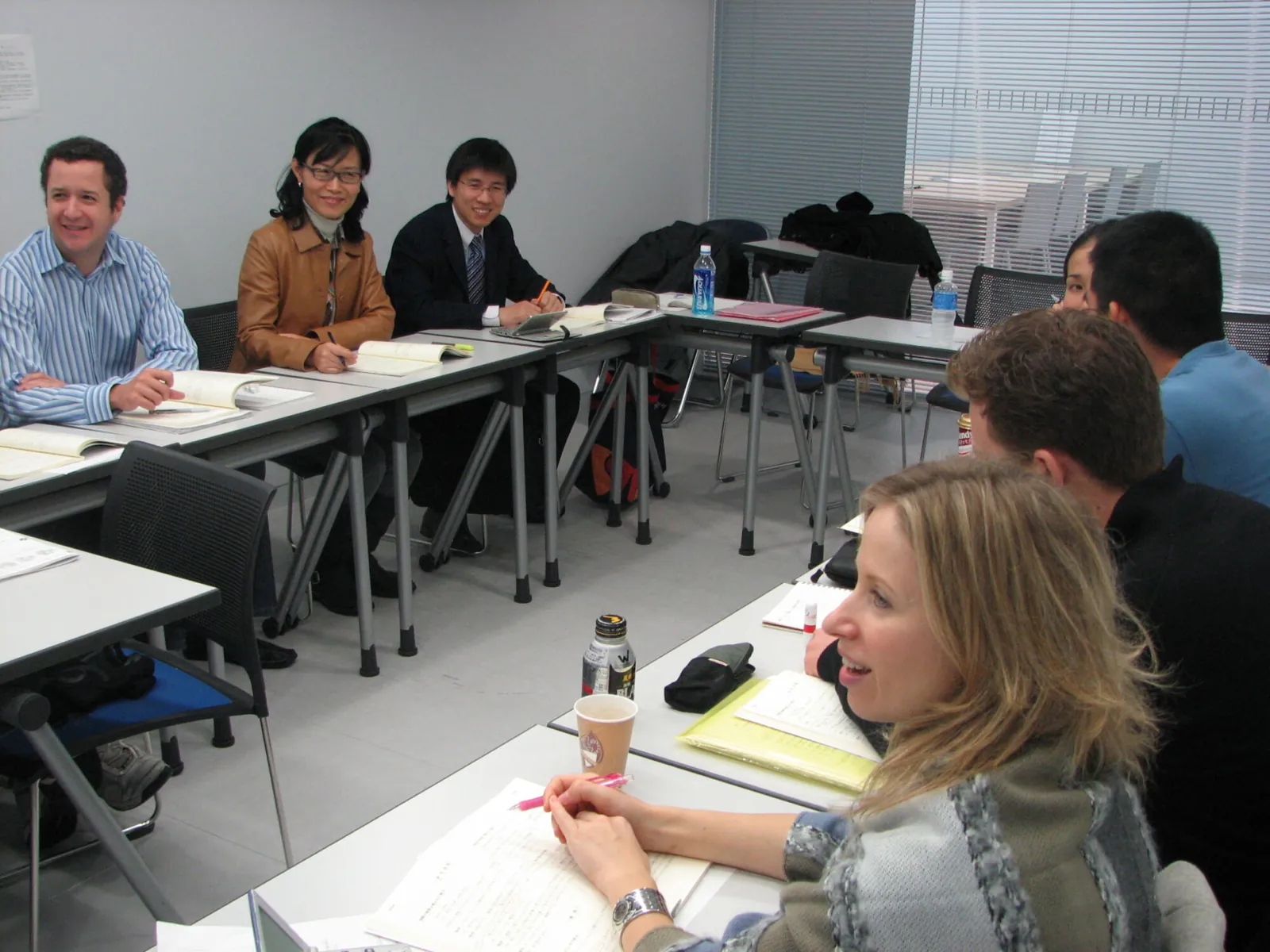
Students are adults aged 20 to 50, roughly a third each from Europe and the Americas, East Asia and other regions.
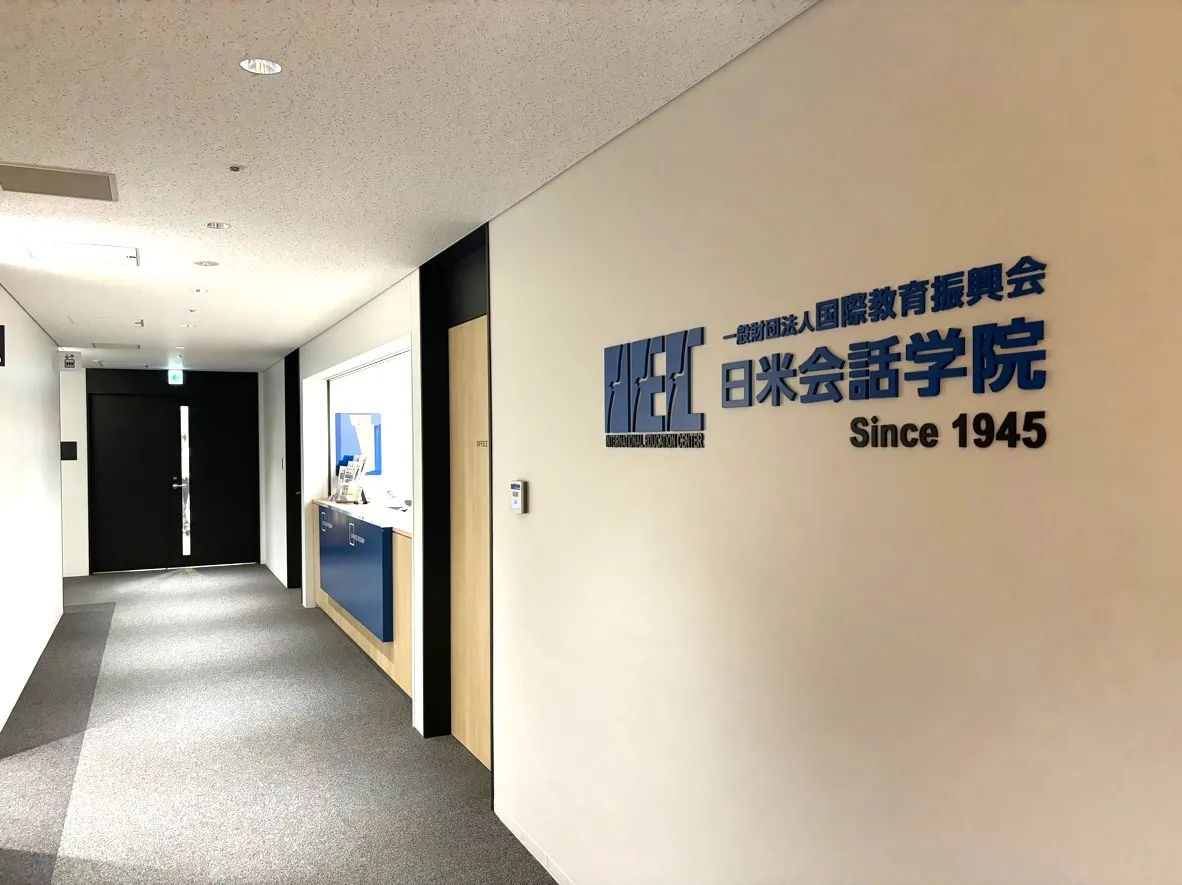
Nichibei Kaiwa Gakuin Japanese Language Institute (日米会話学院 日本語研修所) opened in 1967, set up by the foundation that has run Nichibei Kaiwa Gakuin, a well-known English school in Japan, since 1945. The institute is in Yotsuya (Shinjuku), 3 minutes from Yotsuya Station, where the JR Chuo and Sobu lines meet two subway lines; Shinjuku is about 9 minutes away and Tokyo Station about 14. More than 9,000 people from 90 countries and regions have studied here.
Please note: the student-visa course is for university students in their third year or above and university graduates. The focus is practical and business Japanese. The institute’s teachers wrote their own textbooks (NIHONGO EXPRESS and 実戦ビジネス日本語会話). The 8-level program takes you from beginner to business communication: polite speech, business writing, negotiations, presentations and meetings.
Most students are adults — company employees, trainees and professionals planning to work in Japan, aged from their early 20s to 50. Classes have up to 14 students, 10 on average. The institute helps with CVs and interviews, passes on openings from partner recruitment agencies and holds meetings with graduates.
Programs
One-year student-visa course
For university students from year 3 and graduates who want to bring their Japanese up to working level in a year. Five versions of the course depending on your Japanese level on entry; 4 lessons of 45 minutes a day, 20 lessons a week.
Whole course¥956,000
Two-year course from beginner level
The beginner stage aims at about N4, intermediate at about N2, and advanced at N1 and business Japanese at BJT J2 / J1+. Conversation for work and daily life, polite speech, business writing and documents, role plays, meetings, presentations and negotiations, plus Japanese business culture and manners.
Evening and Saturday classes
Business and conversational Japanese, JLPT (N1–N3) and BJT preparation. You can combine them with the day course and get 50% off the evening program.
Career support
Help with CVs in Japanese and English, mock interviews in Japanese, openings from partner recruitment agencies, seminars on job hunting and starting your own business, and meetings with graduates who work in Japan.
First-year costs
Application fee¥30,000
Enrollment fee¥40,000
Tuition, first year¥876,000
Other fees, first year¥10,000
Total, first year¥956,000
Payment terms and extra costs
Scholarships and discounts
50% off exam preparation
Day intensive students pay half price for JLPT and BJT preparation classes, which help when you look for a job.
50% off evening and Saturday classes
If you take two programs in the same term (for example the day intensive and an evening conversation class), the evening program is half price.
Scholarships — on request
The institute does not publish scholarships of its own on its website. Ask us about a JASSO scholarship nomination.
Intakes
April Next intake
Applications from 19 August to 16 October 2026, CoE result on 18 February 2027, classes start on 5 April 2027.
July Summer term
Classes start in early July. Apply by about the end of January (30 January in 2026); CoE result in the second half of May.
October Autumn term
Classes start in mid-October. Apply by about the end of April (28 April in 2026); CoE result in the second half of August.
January Winter term
Classes start in mid-January. Apply by about the end of July of the previous year; CoE result at the end of October. The institute asks you to apply at least 6 months before arrival.
The school applies for your Certificate of Eligibility; with the visa this takes about 4–6 months. Places are limited — apply early.
Student visa. For a long-term course you study on the Student status of residence: the school applies for your Certificate of Eligibility, then you get the visa at a Japanese embassy or consulate. Student visa for Japan · Which documents do I need?
Working while you study. With permission, up to 28 hours a week: Part-time work for students
Housing
Housing — on request
The institute’s website has no information on dormitories. Ask us which housing options the institute can recommend when you apply.
Private rental
Apartments and share houses along the JR Chuo Line and subway
Yotsuya is a central area, so housing near the school is usually more expensive. It is convenient to look for an apartment or share house on the JR Chuo/Sobu, Marunouchi or Namboku lines — all of them go straight to Yotsuya Station.
Everything you need in the school building
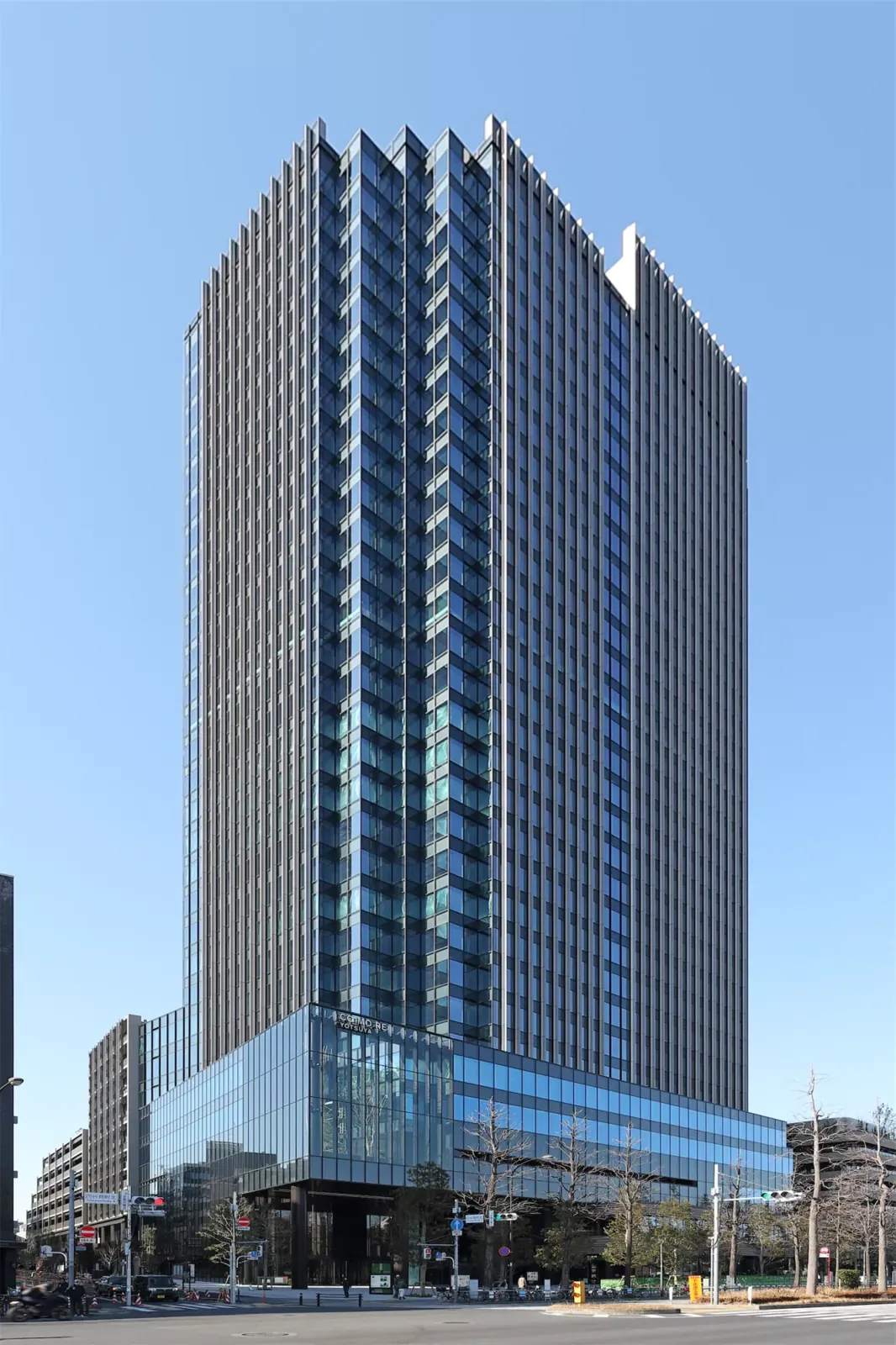
The institute is in the CO・MO・RE YOTSUYA complex, which has a supermarket, a convenience store, restaurants, a pharmacy and the Japan Foundation library.
Photos and videos
Location
CO・MO・RE YOTSUYA 3F, 1-6-2 Yotsuya, Shinjuku-ku, Tokyo 160-0004 — 3 minutes on foot from Yotsuya Station (JR Chuo/Sobu Lines, Namboku subway line), 5 minutes from Yotsuya Station on the Marunouchi Line
Questions about Nichibei Kaiwa Gakuin
Can I apply straight after high school?
No. The student-visa course only accepts university students in their third year or above and university graduates. If you only have a secondary school certificate, choose another school — for example one with a course that prepares you for a Japanese university.
Can I start from zero?
Yes, the 2-year course starts from beginner level. But when you apply you need to show Japanese at about N5: a JLPT or J.TEST certificate, the result of another Japanese exam, or a certificate of study showing the number of hours.
How much does it cost?
One year costs ¥956,000: application fee ¥30,000, enrollment fee ¥40,000, tuition ¥876,000 (4 terms of ¥219,000) and facilities fee ¥10,000. Learning materials are another ¥4,000–¥10,000 a term.
When should I apply?
There are 4 intakes a year — April, July, October and January. The institute asks you to apply at least 6 months before arrival: for April 2027, by 16 October 2026. The immigration review takes about 3 months.
Is there a dormitory?
The institute does not offer dormitories on its website — ask us about housing options. It is convenient to live on the JR Chuo/Sobu, Marunouchi or Namboku lines, which run straight to Yotsuya Station, 3 minutes from school.
Can I work part-time, and does the institute help with jobs?
With a student visa and permission you can work up to 28 hours a week (8 hours a day in school holidays). Helping students find work after their studies is one of the institute’s main aims: CVs in Japanese and English, mock interviews, openings from partner recruitment agencies and job-hunting seminars.
Compare