Schools/Tokyo/
Tokyo Johoku Japanese Language School
Tokyo
·Waseda
Tokyo Johoku Japanese Language School
東京城北日本語学院
1 min from Waseda Station
Classes of about 15
Four intakes a year
About the school
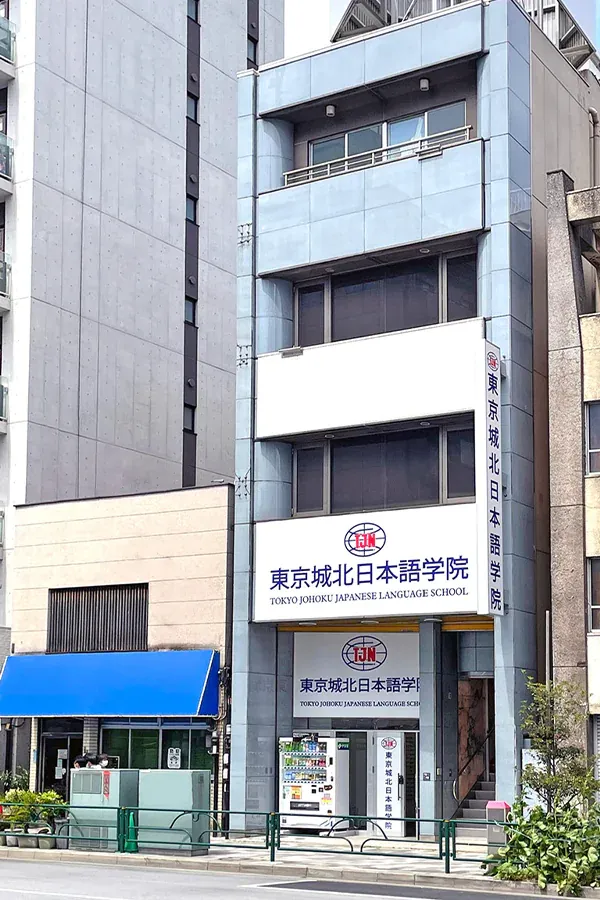
A Japanese language school founded in 1988, in the student district of Waseda, one minute from the subway station and from Waseda University. The focus is on real spoken Japanese, classes average 15 students, and every intake aims for level B2 (about N2).
Founded1988
Course length15 months – 2 years
IntakesApr · Jul · Oct · Jan
What makes it different
Japanese you can actually speak — one minute from Waseda University
Tokyo Johoku builds its teaching around 話せる — being able to hold the right conversation in any situation — and takes students to level B2 (about N2) whatever intake they join. Classes average 15 students, each with a homeroom teacher, and the main building is in the Waseda student quarter, 1 minute from the subway station.
Location
1 minute from Waseda University
The main building is next to Waseda Station on the Tozai subway line, 10 minutes from Takadanobaba. A student area full of libraries and cafés.
Small classes
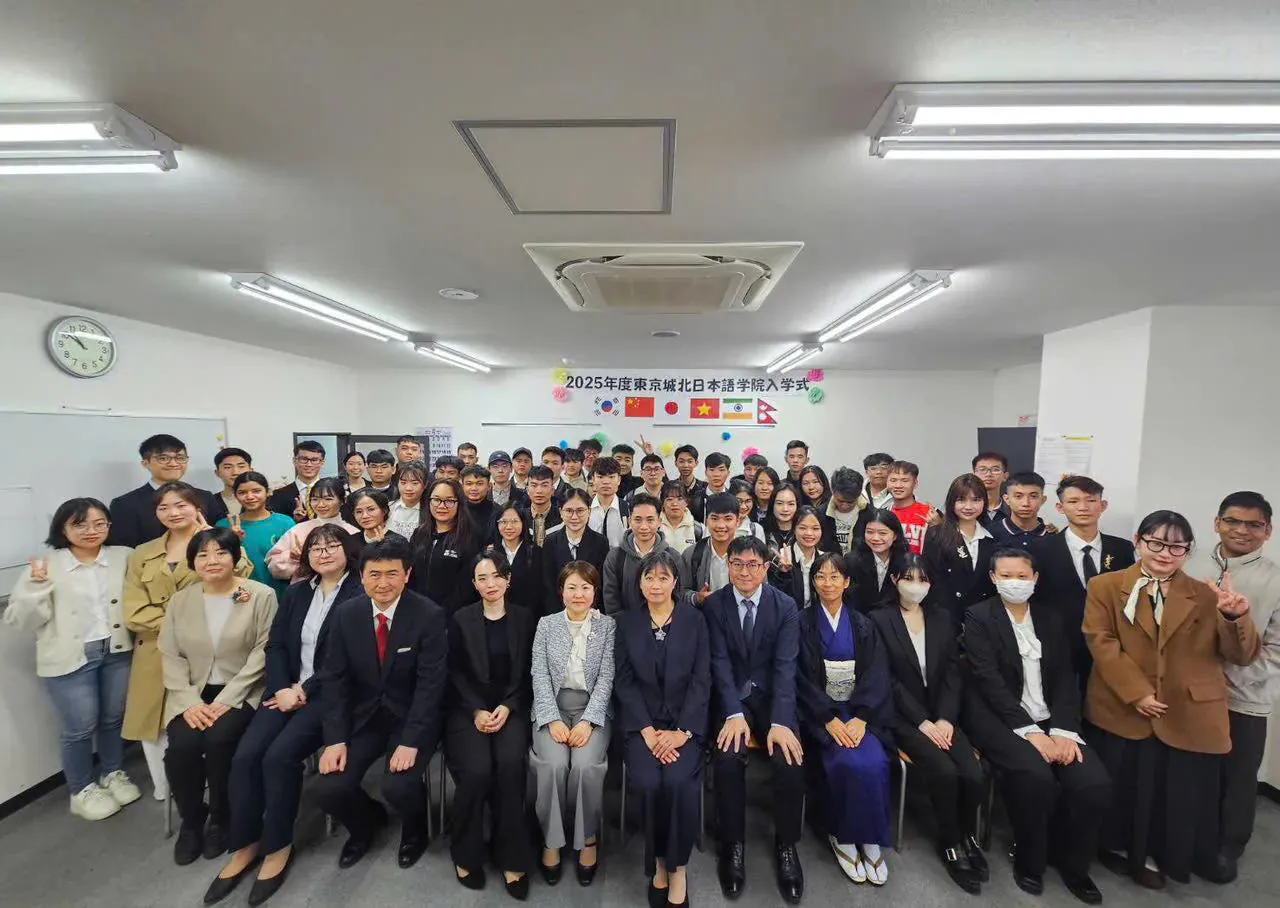
15 students per class on average
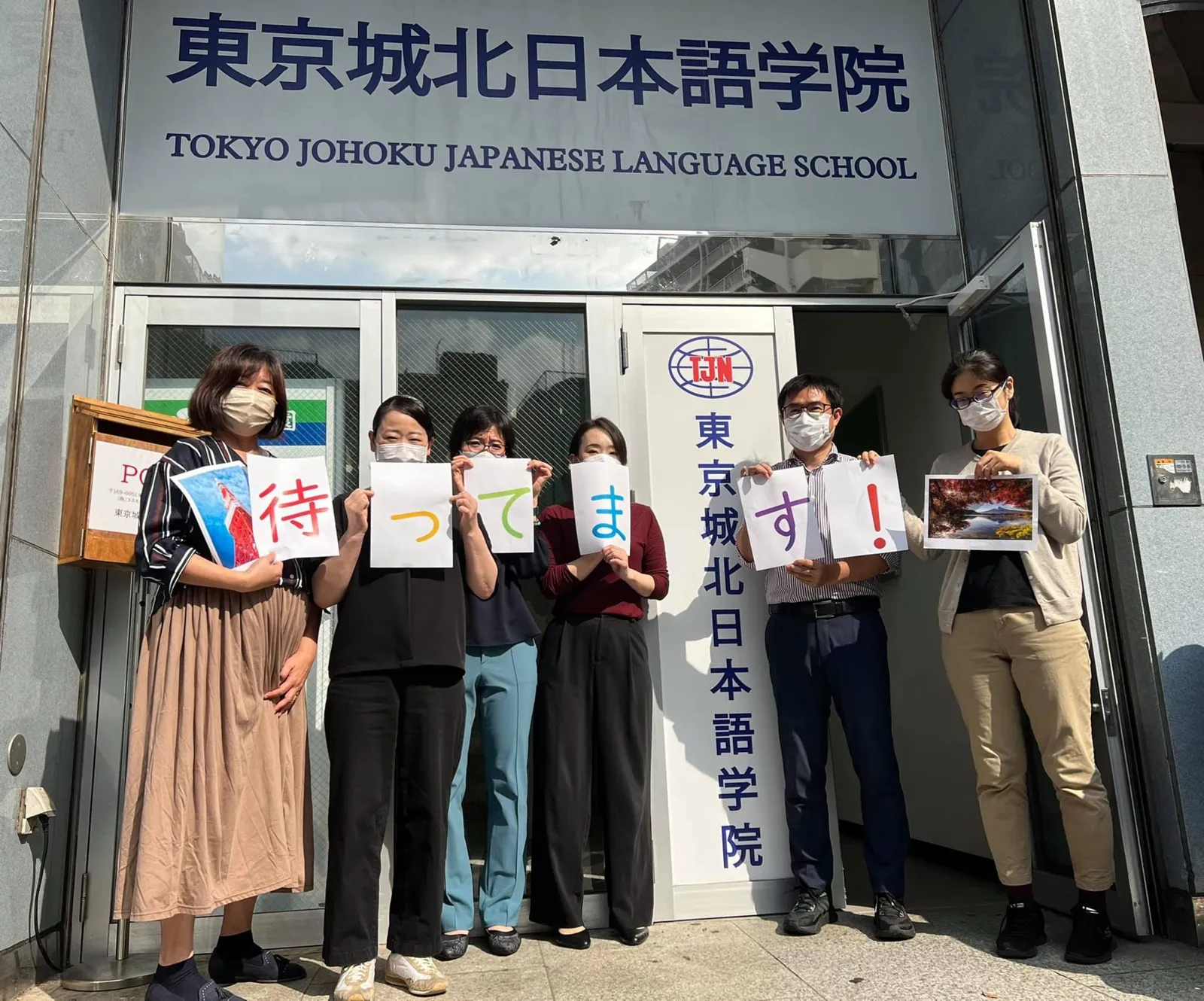
Every class has a homeroom teacher. The school is large, but teachers know each student, and you can come to them with any question.
Goal
Level B2 from any intake
The theme is 話せる — conversation that fits any situation. EJU and JLPT preparation by level, with mock exams before the real tests.
Experience
Since 1988, three buildings
Room for 1,060 students, 28 classrooms and 83 staff. Advice in 6 languages and help with paperwork, housing and part-time work.
Tokyo Johoku (東京城北日本語学院) was founded in 1988. For more than 30 years it was based in Adachi ward, and in 2021 it moved to Waseda (Shinjuku) — the student district around Waseda University’s main campus. The school now has three buildings: the main one 1 minute from Waseda Station (Tozai subway line), a second in Nishi-Waseda, 14 minutes on foot from Takadanobaba Station, and a third in neighbouring Bunkyo ward. It has room for 1,060 students in 28 classrooms.
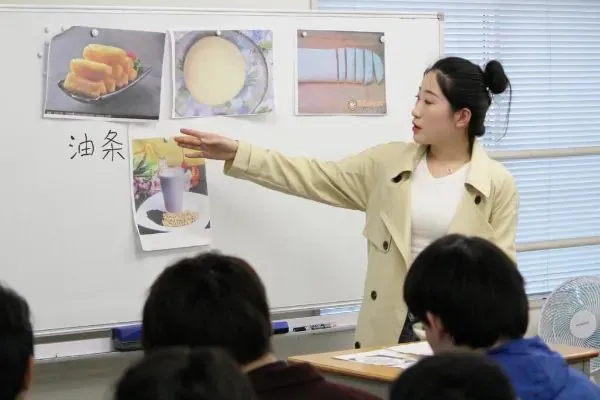
The core theme is 話せる (“being able to speak”): not just speaking Japanese, but holding the right conversation in different situations. The course develops all four skills with a focus on practice — essays, speeches and presentations. Whatever intake you join, the school aims to take you to CEFR level B2 (about N2), the level you need for university and work. There are EJU and JLPT preparation classes by level and mock exams before the tests.
The main courses prepare you for higher education and last from 1 year 3 months to 2 years, 20 hours a week in a morning or afternoon shift. Classes average 15 students, each with its own homeroom teacher. During the year there are speech and essay contests, Japanese festivals, a barbecue, a Christmas party and a graduation trip. Staff help with residence registration, health insurance, a bank account and part-time work; advice is available in Japanese, English, Chinese, Korean, Vietnamese and Nepali.
Programs
Preparation for higher education
For students planning to enter a Japanese university, graduate school or college, or to work in Japan. 20 hours a week, Monday to Friday: morning shift 9:00–12:20 or afternoon shift 13:00–16:20 (4 lessons of 45 minutes).
Whole course¥1,080,000 – ¥1,680,000
EJU and JLPT preparation
Preparation classes for the Examination for Japanese University Admission (EJU) and the JLPT by level, with mock exams at school before the tests. The goal is B2 (about N2) whatever intake you join. Beyond exams: essays, speeches, presentations and planning your own study.
Short course
For people who already live in Japan or come on another visa: you only need a copy of your residence card or of your passport with the visa. The school does not prepare student visa documents for this course.
Whole course¥230,000
First-year costs
Application fee¥30,000
Enrollment fee¥50,000
Tuition, first year¥720,000
Other fees, first year¥80,000
Total, first year¥880,000
Whole course, 2 years — ¥1,680,000
Payment terms and extra costs
Scholarships and discounts
Scholarships — ask the school
The school does not publish its own scholarships or discounts on its website. Ask about nomination for the JASSO scholarship for language school students after you enroll — it usually depends on attendance and grades.
Intakes
April Main intake
2-year course. Applications from September to 30 October of the year before (for April 2027 — by 30 October 2026); the school files with immigration in November, and the CoE result comes in mid-February.
July Summer intake
1 year 9 months. Applications from January to 28 February; filing with immigration in March, CoE result at the end of May.
October Autumn intake
1 year 6 months. Applications from March to 30 May; filing with immigration in June, CoE result at the end of August.
January Winter intake
1 year 3 months. Applications from June to 30 August of the year before; filing with immigration in September, CoE result at the end of October.
The school applies for your Certificate of Eligibility; with the visa this takes about 4–6 months. Places are limited — apply early.
Student visa. For a long-term course you study on the Student status of residence: the school applies for your Certificate of Eligibility, then you get the visa at a Japanese embassy or consulate. Student visa for Japan · Which documents do I need?
Working while you study. With permission, up to 28 hours a week: Part-time work for students
Housing
Help finding housing
Price on request
Dormitory prices are not published on the school’s website; the school helps students find housing and advises on everyday matters.
Apartments and share houses around Waseda
Waseda and Takadanobaba are student districts next to Waseda University, with plenty of small apartments and share houses, cheap cafés and libraries, and convenient Tozai subway and JR Yamanote lines.
Support after you arrive
Staff help you register your address, join National Health Insurance, open a bank account and find part-time work.
Photos and videos

Location
Main building: 76-1 Wasedamachi, Shinjuku-ku, Tokyo 162-0042 — 1 minute on foot from Waseda Station (Tozai subway line). Building 1: 3-1-5 Nishi-Waseda, Shinjuku-ku — 8 minutes from Waseda Station, 14 minutes from JR Takadanobaba. Building 2: 1-29-5 Sekiguchi, Bunkyo-ku — 9 minutes from Waseda Station.
Questions about Tokyo Johoku Japanese Language School
What do I need to apply?
The school does not publish a minimum number of years of schooling. You need your diploma and transcript from your last school, a certificate of Japanese study (if you have studied), and documents from your financial sponsor: proof of income for 3 years and a bank balance. If you have 11 years of school, we will check your case with the school in advance.
Can I start from zero?
A certificate of Japanese study is only listed for applicants who have already studied the language. For a student visa, though, it is better to take a basic Japanese course first — ask us about the level required in your case.
How much does the first year cost?
¥880,000: application fee ¥30,000, enrollment fee ¥50,000, tuition ¥720,000 and other costs ¥80,000 (facilities, textbooks, events, health check). The second year is ¥800,000, so 2 years cost ¥1,680,000.
When should I apply?
There are 4 intakes a year. For April, apply from September to 30 October of the year before; for July, by 28 February; for October, by 30 May; for January, by 30 August. The next intake still open is April 2027, with applications until 30 October 2026.
Is there a dormitory?
The school does not publish dormitory prices on its website — housing options are found on request. Waseda and Takadanobaba are student districts with plenty of small apartments and share houses.
Can I work part-time and extend my visa?
With a student visa and permission you can work up to 28 hours a week (8 hours a day in school holidays), and staff help you find a job. Visas are extended on courses of 1 year 6 months or longer, provided your attendance is at least 90% and tuition is paid at least 6 months ahead.
Compare