Schools/Saitama/
Yono Gakuin Japanese Language School
Saitama
·Omiya
Yono Gakuin Japanese Language School
与野学院日本語学校
30 min to Tokyo
Kanji every day
Dorm from ¥25,000
About the school
Yono Gakuin is a Japanese language school in Saitama City, 30 minutes from Tokyo Station, teaching since 1988. A small school that looks after its students closely, with daily kanji classes, its own dormitories and help with everything from airport pickup to part-time work.
Founded1988
Students from12+ countries
Course length18 months – 2 years
IntakesApr · Jul · Oct
What makes it different
Quiet Saitama and support with everything
Yono Gakuin takes care of almost every practical side of moving to Japan: airport pickup, registration, insurance, a bank account, a phone, a bicycle, a dormitory and help finding part-time work — the school holds a job-placement licence. Tokyo Station is 30 minutes away, and life here is quieter and cheaper than in the capital.
Support
Pickup, paperwork, part-time work
Airport pickup, registration, insurance, a bank account, a phone, a bicycle. Help with your CV and finding part-time work — the school holds a job-placement licence from the Ministry of Labour.
Method
Kanji classes every day
Students from countries that do not use kanji get an extra kanji lesson every day. Shadowing, extensive reading and 3 mock JLPT tests a year.
Personal attention
A homeroom teacher close by
The homeroom teacher teaches their own class at least 4 times a week and keeps an eye on both study and daily life. The teacher changes after every two lessons to keep the pace up.
Location
30 minutes to Tokyo
7 minutes on foot from Saitama-Shintoshin Station: 30 minutes to Tokyo Station, 32 to Shinjuku. A quiet neighbourhood by a large Shinto shrine, with housing cheaper than in the capital.
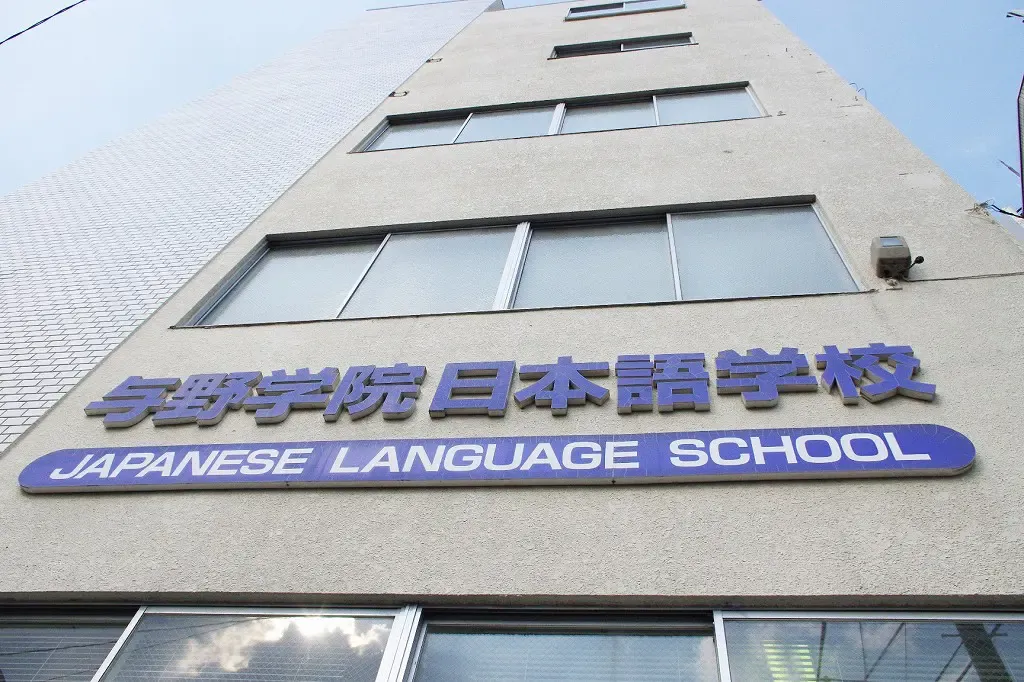
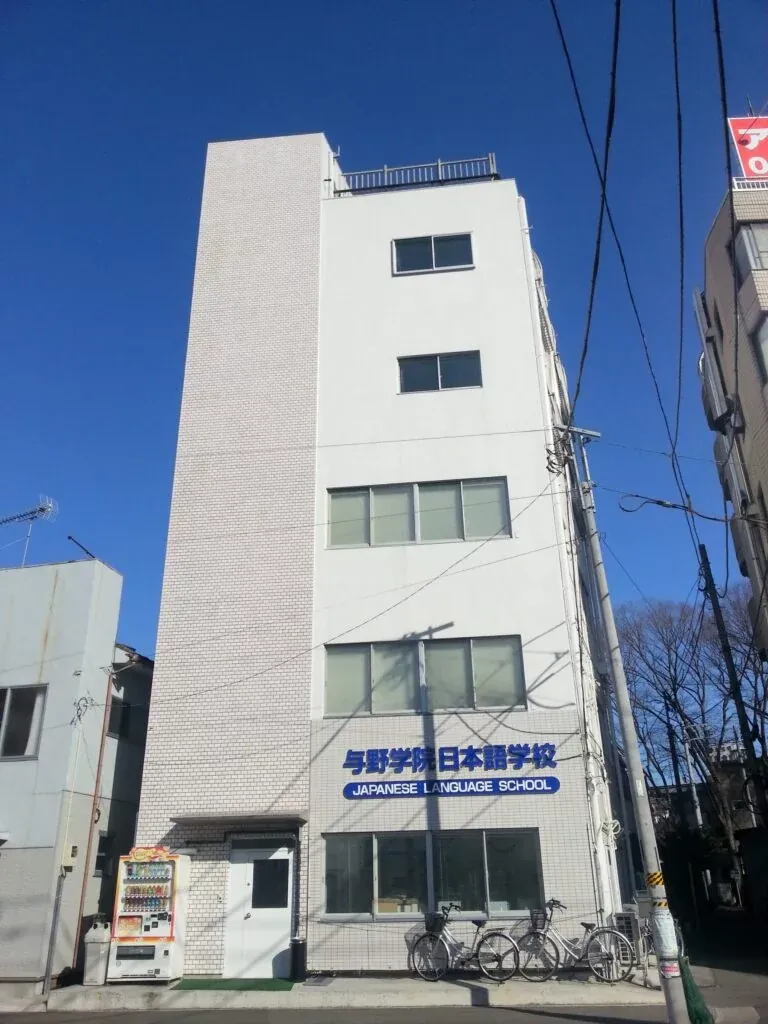
Yono Gakuin (与野学院日本語学校) was founded in 1988 and is in Omiya ward, Saitama City, 7 minutes on foot from Saitama-Shintoshin Station and 13–15 minutes from the major Omiya hub. Tokyo Station is about 30 minutes away by train and Shinjuku 32 minutes. The area around the school is quiet, and housing and everyday costs are noticeably lower than in Tokyo.
The main program is a student-visa Japanese course of 2 years, 1 year 9 months or 1 year 6 months (April, July and October intakes). Classes run in two shifts, 4 lessons a day. The focus is on speaking and listening, and students from countries that do not use kanji get extra kanji classes every day. Mock JLPT tests are held three times a year.
The school is known for its practical support: airport pickup and help with registration, insurance, a bank account, a phone and part-time work. For further study there are recommendation places at universities and colleges (Meikai, Shobi Gakuen, Seibu Bunri and others), help with applications and mock interviews. About 230 students study here now.
Programs
Japanese course on a student visa
For students who want to reach N2–N1, enter a Japanese university, graduate school or college, or find a job in Japan. Morning (9:00–12:30) or afternoon (13:30–17:00) shift, 4 lessons of 45 minutes a day, homework every day.
Whole course¥1,301,800 – ¥1,703,000
Kanji for students from non-kanji countries
An extra kanji lesson every day. Writing and reading grow together with speaking, so you do not fall behind classmates from China and Taiwan.
JLPT, university and job preparation
Exams: 3 mock JLPT tests a year, with work on exam tactics and time management. Further study: choosing a university, checking your application, mock interviews; for graduate school, help finding a lab and writing a research plan. Work: job-hunting support together with companies and recruitment agencies, for graduates at N2–N1.
First-year costs
Application fee¥20,000
Enrollment fee¥70,000
Tuition, first year¥794,000
Other fees, first year¥15,000
Total, first year¥899,000
Whole course, 2 years — ¥1,703,000
Payment terms and extra costs
Scholarships and discounts
Scholarships — ask us
The school does not publish a list of scholarships on its website. Ask us about nomination for the JASSO scholarship and private foundation scholarships — we will check with the school.
Intakes
April Main intake
2-year course. For April 2027, applications close on 15 October 2026; the school files them with immigration in mid-November, and the result comes at the end of February.
July Summer intake
1 year 9 months. Apply by 10 February; filing with immigration in mid-March, result at the end of May.
October Autumn intake
1 year 6 months. Apply by 30 April; filing with immigration in early June, result at the end of August.
The school applies for your Certificate of Eligibility; with the visa this takes about 4–6 months. Places are limited — apply early.
Student visa. For a long-term course you study on the Student status of residence: the school applies for your Certificate of Eligibility, then you get the visa at a Japanese embassy or consulate. Student visa for Japan · Which documents do I need?
Working while you study. With permission, up to 28 hours a week: Part-time work for students
Housing
School dormitory
School dormitories
From ¥25,000 / monthplace in a twin room; single room from ¥38,000; utilities ¥8,000–¥9,000 a month
On moving in: a ¥70,000 fee and the first 3 months’ rent. Furnished and equipped; you can cycle to school.
Guesthouses and apartments
From ¥55,000 / monthguesthouse; own apartment from ¥55,500 (from ¥30,250 per person for two)
The school finds options to fit your budget. You can live outside the dormitory, but only near the school — the area has to be agreed in advance.
Living in Saitama
A calm city next to Tokyo: housing and food are cheaper, and Shinjuku and Shibuya are just over half an hour away. Renting an apartment yourself after you arrive starts from ¥60,000 a month.
Photos and videos
Location
4-78 Kishikicho, Omiya-ku, Saitama-shi, Saitama 330-0843 — 7 minutes on foot from Saitama-Shintoshin Station (JR Keihin-Tohoku / Takasaki / Utsunomiya lines), 13–15 minutes from Omiya Station
Questions about Yono Gakuin Japanese Language School
Can I start with no Japanese at all?
Yes, the course starts from beginner level. But for a student visa you need to show at least 150 hours of Japanese study (a school certificate or a JLPT, NAT-TEST or J.TEST certificate).
What are the entry requirements?
12 years of completed school education (or a university degree) and age up to 35. If you have 11 years of school, check with us before applying whether you can enroll: this school does not offer the 準備教育課程 preparatory course for entering Japanese universities.
How much does the first year cost?
For the April 2027 intake the first year is ¥899,000: selection fee ¥20,000, enrollment fee ¥70,000, tuition ¥794,000, health check and mutual aid fund ¥15,000. The second year is ¥804,000. In total: 2 years — ¥1,703,000, 1 year 9 months — ¥1,502,400, 1 year 6 months — ¥1,301,800.
Is there a dormitory and how much is it?
Yes. School dormitories cost from ¥25,000 a month for a place in a twin room and from ¥38,000 a month for a single room, plus utilities of ¥8,000–¥9,000 a month. On moving in you pay a ¥70,000 fee and 3 months in advance.
Is it far from Tokyo?
No. From Saitama-Shintoshin Station (7 minutes on foot from the school) it is about 30 minutes to Tokyo Station and 32 to Shinjuku. Housing and everyday costs in Saitama are lower than in Tokyo.
Can I work part-time?
Yes, with a student visa and permission: up to 28 hours a week, and up to 8 hours a day in school holidays. The school helps you write a CV and points you to vacancies — it holds a job-placement licence from the Ministry of Labour.
Compare