Schools/Tokyo/
ISI Shibuya-Harajuku
Tokyo
·Shibuya & Harajuku
ISI Shibuya-Harajuku
ISIキャリア外語アカデミー渋谷原宿校
Japanese for work
Company internships
For university graduates
About the school
ISI Shibuya-Harajuku is the ISI group’s career campus for students who want to work in Japan, with business Japanese, internships, classes with companies and a personal career adviser. It has two buildings, near Shibuya and Meiji-Jingumae (Harajuku) stations.
Founded2021
Students from57 countries
Course length1 or 2 years
IntakesApr · Jul · Oct · Jan
What makes it different
Practical Japanese for working in Japan
ISI Shibuya-Harajuku specialises in preparing students for employment: business Japanese, interviews, etiquette and working in a company, not just grammar. In the 2025 academic year, 285 students of the ISI career course found jobs in Japan.
Career Japanese
Japanese for work and business
From beginner level, lessons gradually bring in business Japanese: emails, phone calls, meetings, presentations, negotiations and business etiquette.
Job-hunting support
A personal career adviser
Advisers help you choose a direction, write a Japanese CV, practise interviews and find vacancies. Job-hunting preparation is built into the curriculum.
Company links
Internships and meetings with employers
Classes run together with companies, internships, office visits and guest lectures. In the 2025 academic year about 70 employers took part in ISI company presentations and interview days.
Flexible length
1 or 2 years from any intake
Start the career course in April, July or October for 1 or 2 years, or in January for 2 years. The average student age is 31, and the campus has students from 57 countries.
ISI Shibuya-Harajuku (ISIキャリア外語アカデミー渋谷原宿校) is the career campus of the ISI group, opened in 2021. Unlike ISI’s academic campuses in Shinjuku and Ikebukuro, where the main goal is university entrance, here you learn Japanese for work: business communication, business etiquette, job hunting and interviews. The course is mainly for university and college graduates who want to join a Japanese company.
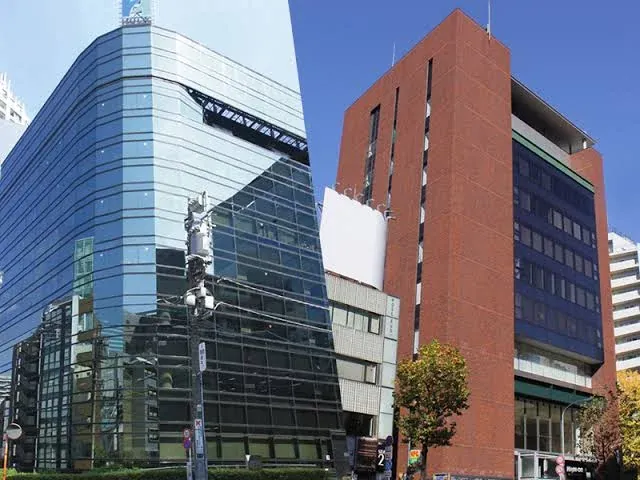
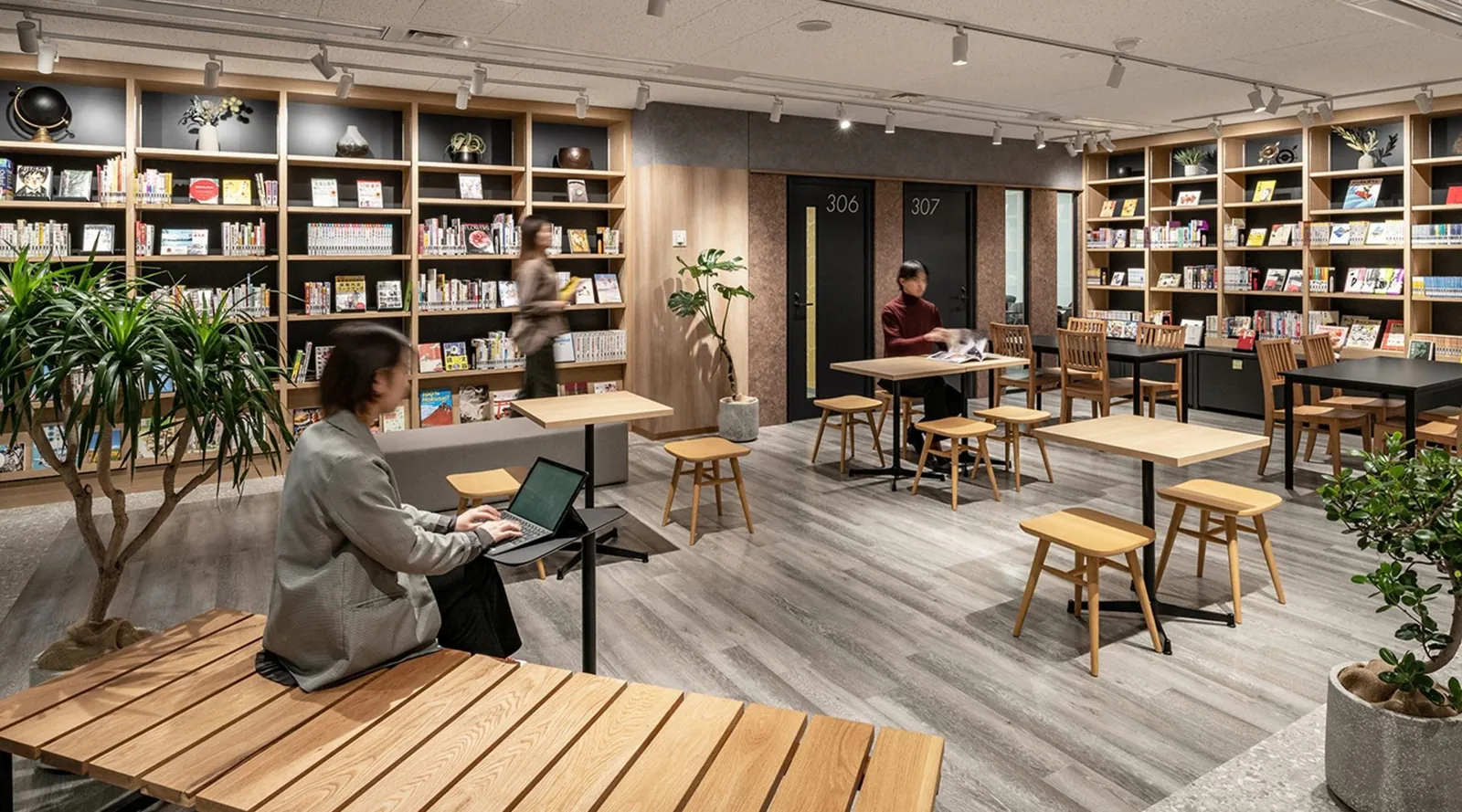
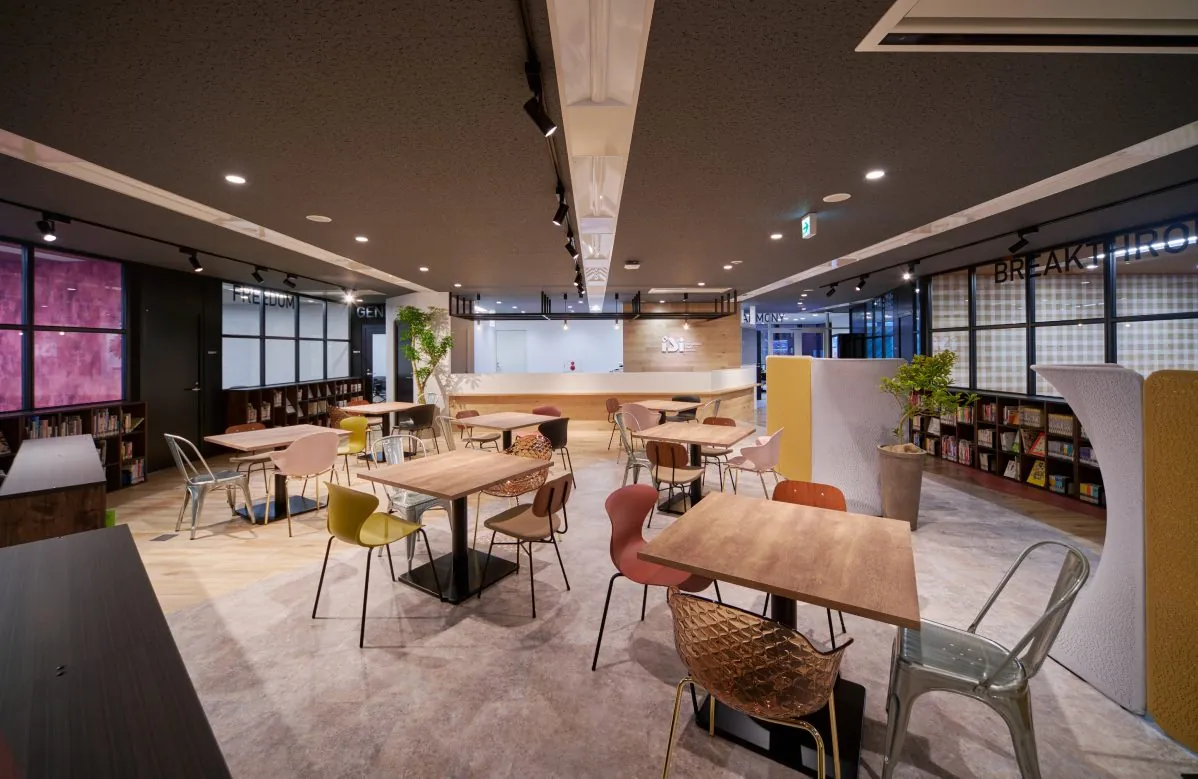
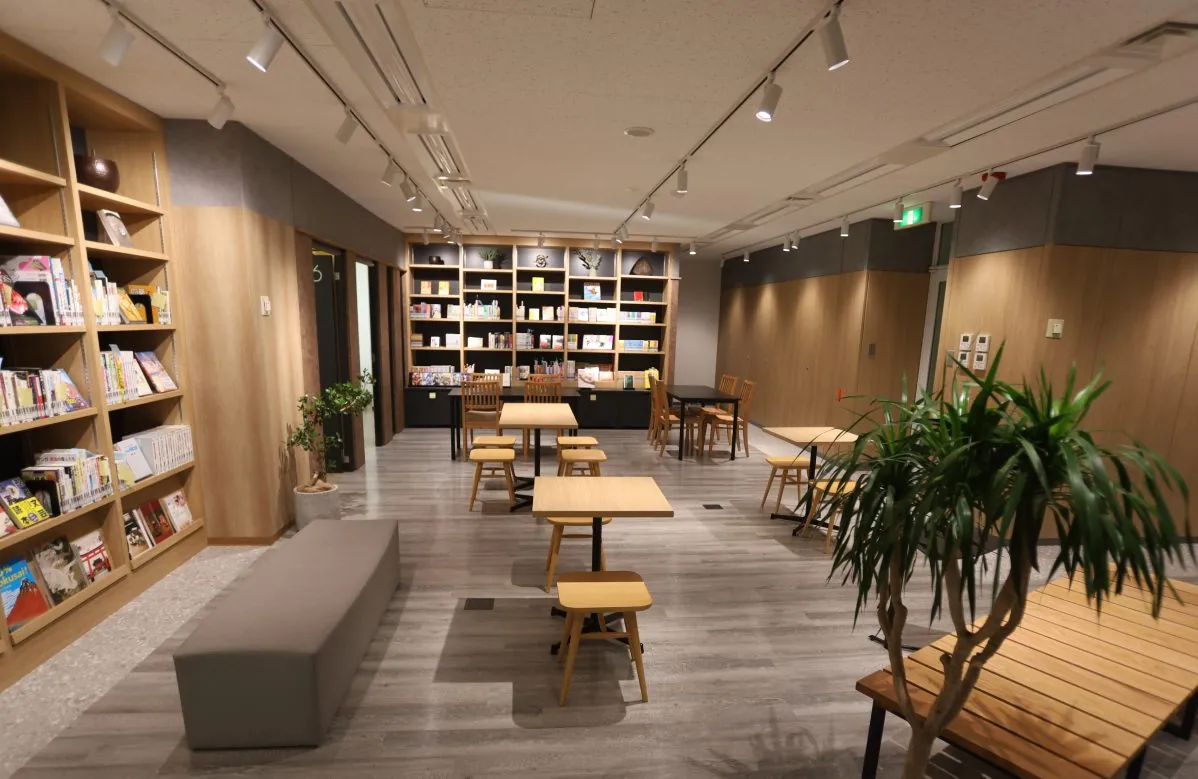
The campus has two buildings: one in Shibuya, 7 minutes from Shibuya Station, and one in Harajuku, 5 minutes from Meiji-Jingumae Station. Students do not choose the building — the school assigns it by class and level. In total the campus has places for 908 students from 57 countries; the average age is 31.
Shibuya and Harajuku are Tokyo’s centre of youth culture, fashion and creative companies, so you use your Japanese straight away in a lively city setting. Thanks to ISI’s links with employers, long-term students do internships, visit companies and take part in interview days.
Programs
Career Japanese Course
For university and college graduates who plan to work in Japan, or for a Japanese company in their home country, after language school. Japanese from beginner to business level, business etiquette, emails and negotiations, classes with companies and internships, plus CV writing, interview practice and one-to-one career support. First year ¥1,055,000, or ¥597,500 for six months (2027/28 fees).
Short-term Business Japanese Course
Students who need a short-term visa can get an invitation letter from the school (¥20,000); apply early. Short-term students study in the same classes as long-term students, but internships and one-to-one career support are not included. Fees for 2027/28: 2 weeks ¥101,950, 4 weeks ¥160,150, 5 weeks ¥170,250, 6 weeks ¥195,550, 7 weeks ¥220,850, 8 weeks ¥230,950, 10 weeks ¥258,750.
Whole course¥101,950 – ¥258,750
Evening course
For people who already live in Japan and work or study during the day.
10 weeks¥128,750
Class schedule
The school assigns your shift and building based on the placement test in the first days.
First-year costs
Application fee¥40,000
Enrollment fee¥100,000
Tuition, first year¥760,000
Other fees, first year¥155,000
Total, first year¥1,055,000
Payment terms and extra costs
Scholarships and discounts
ISI Principal’s Award for Achievement — ¥50,000
One-off payment. For high attendance, excellent grades and at least one year of study at ISI schools.
ISI Principal’s Award for Attendance — ¥30,000
One-off payment. For students on a student visa with no absences and no late arrivals for a whole year.
Intakes
April Main intake
Career Japanese Course, 1 or 2 years. Applications close at the end of October of the previous year (end of October 2026 for April 2027), or earlier if places run out.
July Summer intake
Career Japanese Course, 1 or 2 years. Apply by the end of February of the same year.
October Autumn intake
Career Japanese Course, 1 or 2 years. Apply by the end of May of the same year.
January Winter intake
Career Japanese Course, 2 years only. Apply by the end of August of the previous year.
The school applies for your Certificate of Eligibility; with the visa this takes about 4–6 months. Places are limited — apply early.
Student visa. For a long-term course you study on the Student status of residence: the school applies for your Certificate of Eligibility, then you get the visa at a Japanese embassy or consulate. Student visa for Japan · Which documents do I need?
Working while you study. With permission, up to 28 hours a week: Part-time work for students
Housing
ISI dormitory · men only
International House Shakujii-Koen
from ¥55,000 / monthsingle and twin rooms
10 minutes on foot from Shakujii-Koen Station, about 30–40 minutes to the ISI campuses. Furnished rooms with Wi-Fi; shared kitchen, laundry and lounge.
ISI dormitory · mixed
International House Toda
from ¥55,000 / monthseparate floors for men and women
5 minutes on foot from Toda Station (JR Saikyo Line) in Toda City, Saitama Prefecture. Kitchen, dining room, lounge, study room, gym and laundry; auto-lock entrance, security cameras and a live-in manager.
ISI dormitory · women only
International House Musashi-Seki
from ¥55,000 / monthsingle and twin rooms
9 minutes on foot from Musashi-Seki Station on the Seibu-Shinjuku Line, with direct trains to Takadanobaba and Seibu-Shinjuku. Kitchen, dining room and study room; live-in manager.
ISI dormitory
International House Shimo
from ¥109,000 / monthsingle rooms only, bedding included
7 minutes on foot from Shimo Station (Namboku Line) in a quiet, green neighbourhood. Meals in the dining hall are available for an extra fee.
Dormitory fees and terms
One-off fees: entry fee ¥40,000, equipment fee ¥30,000 and cleaning ¥20,000 (single room) or ¥10,000 (twin room). Rent is paid per term (3 months): the first term costs from ¥245,000 (twin room) to ¥417,000. Furniture, appliances, bedding and utilities are included; meals are not. The commute to school takes 20–60 minutes.
Other options
Guesthouses, weekly apartments and homestay
Guesthouse from ¥3,100 a night, weekly apartment from ¥4,500 a night, homestay with a Japanese family (breakfast and dinner) from ¥7,000 a night. We can help you choose and apply for housing together with your school application.
Photos and videos
Location
Shibuya building: Hulic Shibuya 1-chome Bldg 1F, 1-3-9 Shibuya, Shibuya-ku, Tokyo 150-0002 — 7 minutes on foot from Shibuya Station (JR, Tokyu, Keio and subway). Harajuku building: JRE Jingumae Media Square Bldg 6F, 6-25-14 Jingumae, Shibuya-ku, Tokyo 150-0001 — 5 minutes from Meiji-Jingumae Station (exit 7), 9 minutes from Harajuku Station.
Questions about ISI Shibuya-Harajuku
How is ISI Shibuya-Harajuku different from ISI’s main program?
ISI’s academic campuses focus on all-round Japanese with a view to entering universities and vocational colleges. Shibuya-Harajuku is built for students who plan to work in Japan: more business Japanese, communication at work, CV and interview preparation and practical job-hunting skills. Long-term students also get career advice, internships and interview days with companies — in the 2025 academic year, 285 students of the ISI career course found jobs in Japan.
What are the entry requirements? Do I need a degree?
Yes, the career campus requires a university, master’s or college degree (except for students who plan to work on a Specified Skilled Worker (tokutei gino) visa), and the intention to work in Japan or in your home country after the course. General ISI requirements: 12 years of school (students with 11 years of school who are over 18 and have a certificate may be accepted), about 150 hours of Japanese or N5, age 55 or younger and proof of funds. Without a degree we recommend ISI’s academic campuses — after a Japanese college the path to a work visa is more realistic.
Can I start with no Japanese at all?
No. The school accepts students from N5 level. Your level is confirmed by an online test and an interview with a school representative when you apply.
How much does the first year cost?
¥1,055,000 for the Career Japanese Course: application fee ¥40,000, enrollment fee ¥100,000, tuition ¥760,000 and other costs ¥155,000 (fees for April 2027 – March 2028). You can pay every six months — the first six months are ¥597,500.
Where can I live while studying?
ISI has four dormitories in Tokyo and neighbouring Toda: a place in a twin room starts at ¥55,000 a month, single rooms cost more, utilities included. Rent is paid per term, with one-off fees of ¥80,000–¥90,000 the first time. Guesthouses, weekly apartments and homestay are also available.
Can I work while studying?
Yes. On a student visa, with permission, you can work up to 28 hours a week (8 hours a day in school holidays). You can get the permission at the airport when you arrive. Short-term course students cannot work.
Compare