Schools/Tokyo/
SAMU Japanese Language School
Tokyo
·Shin-Okubo, Shinjuku
SAMU Japanese Language School
サム教育学院
3 min from Shin-Okubo
Beginners welcome
Job support
About the school
A Japanese language school in Shinjuku, 3 minutes from Shin-Okubo Station on the Yamanote Line, with a history going back to 1986. 10 levels, anime and TV drama electives and its own job-support service.
Founded1986
Students from30+ countries
Course length15 months – 2 years
IntakesApr · Jul · Oct · Jan
What makes it different
Japanese through anime and dramas — and a job after graduation
From intermediate level SAMU students can choose electives on anime, TV dramas, literature and pronunciation, and kanji is taught in separate classes by level. Bridge Academy, the school’s sister company, helps with part-time work while you study and with finding a job at a Japanese company after graduation.
Location
3 minutes from Shin-Okubo
On the JR Yamanote loop line, a few minutes from Shinjuku and Ikebukuro. The area is Tokyo’s Koreatown, with inexpensive food and plenty of part-time jobs.
Electives
Anime, dramas and pronunciation
From intermediate level: classes on anime and TV dramas, literature, pronunciation and exam preparation. Kanji is taught in separate classes by level.
Careers
Its own job-support service
Bridge Academy helps you find part-time work, prepares you for interviews with Japanese companies and helps you change your visa once you have a job offer.
Further study
Universities, graduate schools and colleges
Counselling, EJU preparation, and help with documents and interviews. Graduates have entered Waseda, Sophia, Hosei, Tsukuba and Tokyo University of the Arts.
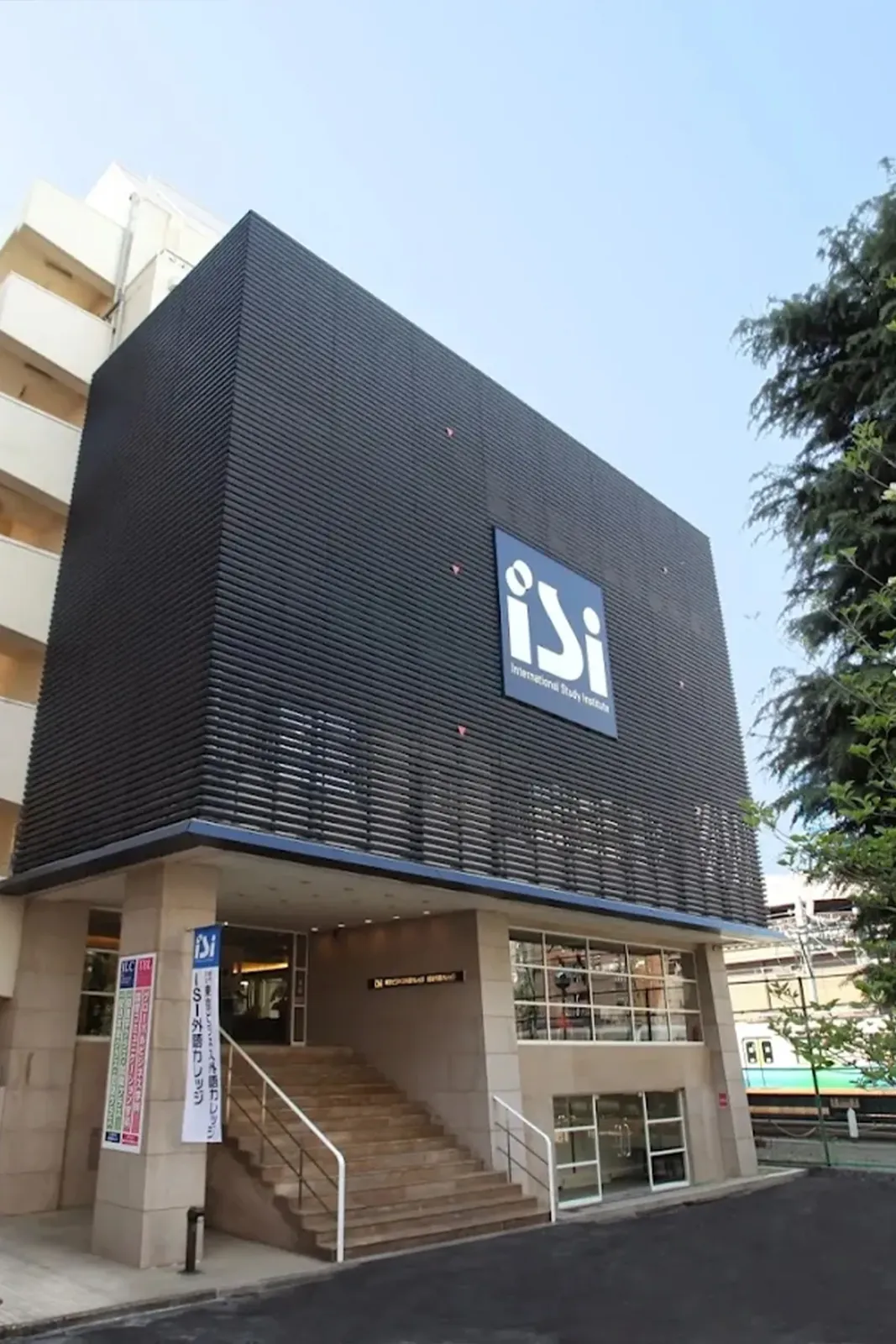
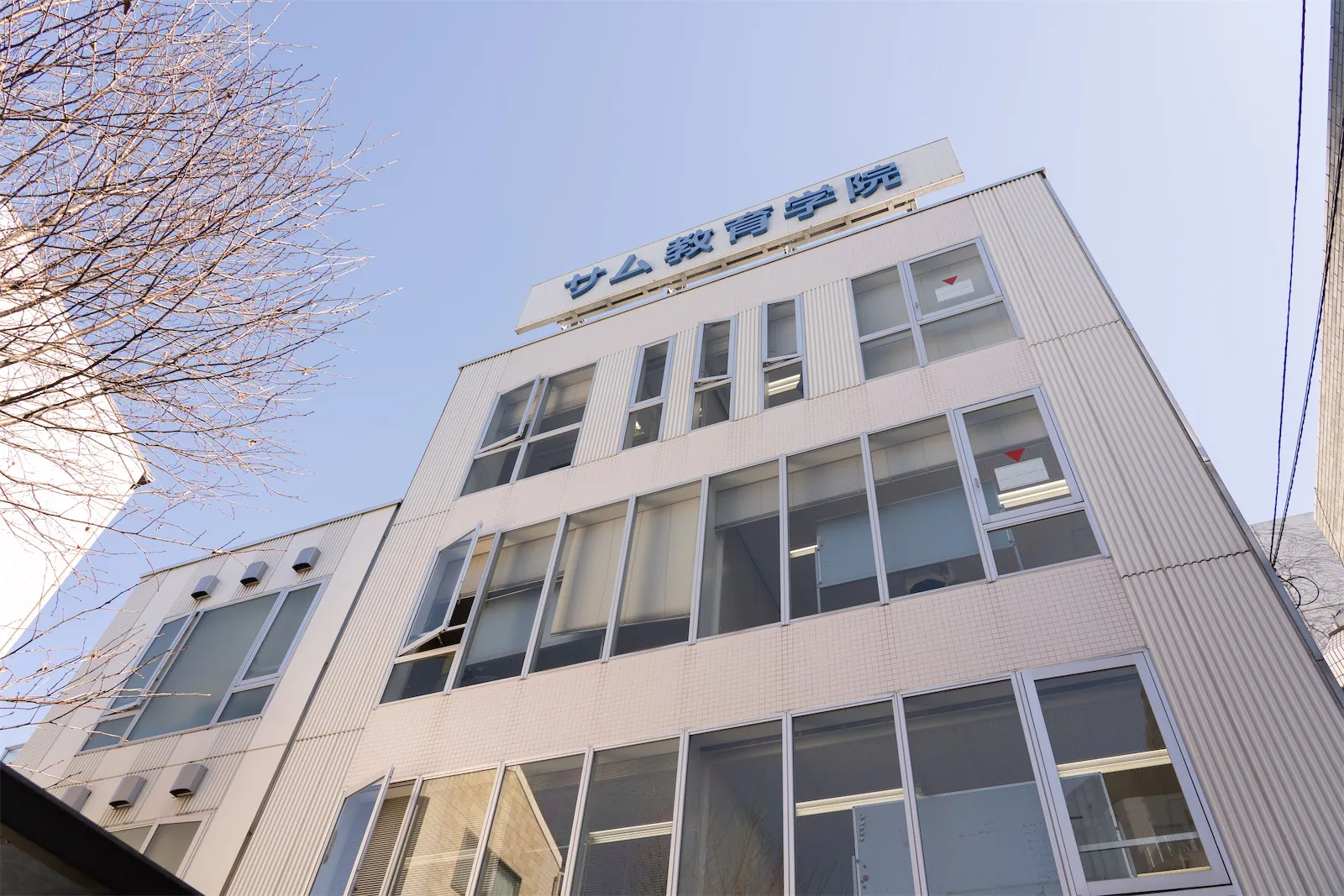
SAMU (サム教育学院) opened in 1986 and is in Hyakunincho (Shinjuku), 3 minutes on foot from Shin-Okubo Station on the JR Yamanote loop line and 8 minutes from Okubo Station. Shin-Okubo is known as Tokyo’s Koreatown, with many inexpensive cafés, shops and part-time jobs. Students come from more than 30 countries.
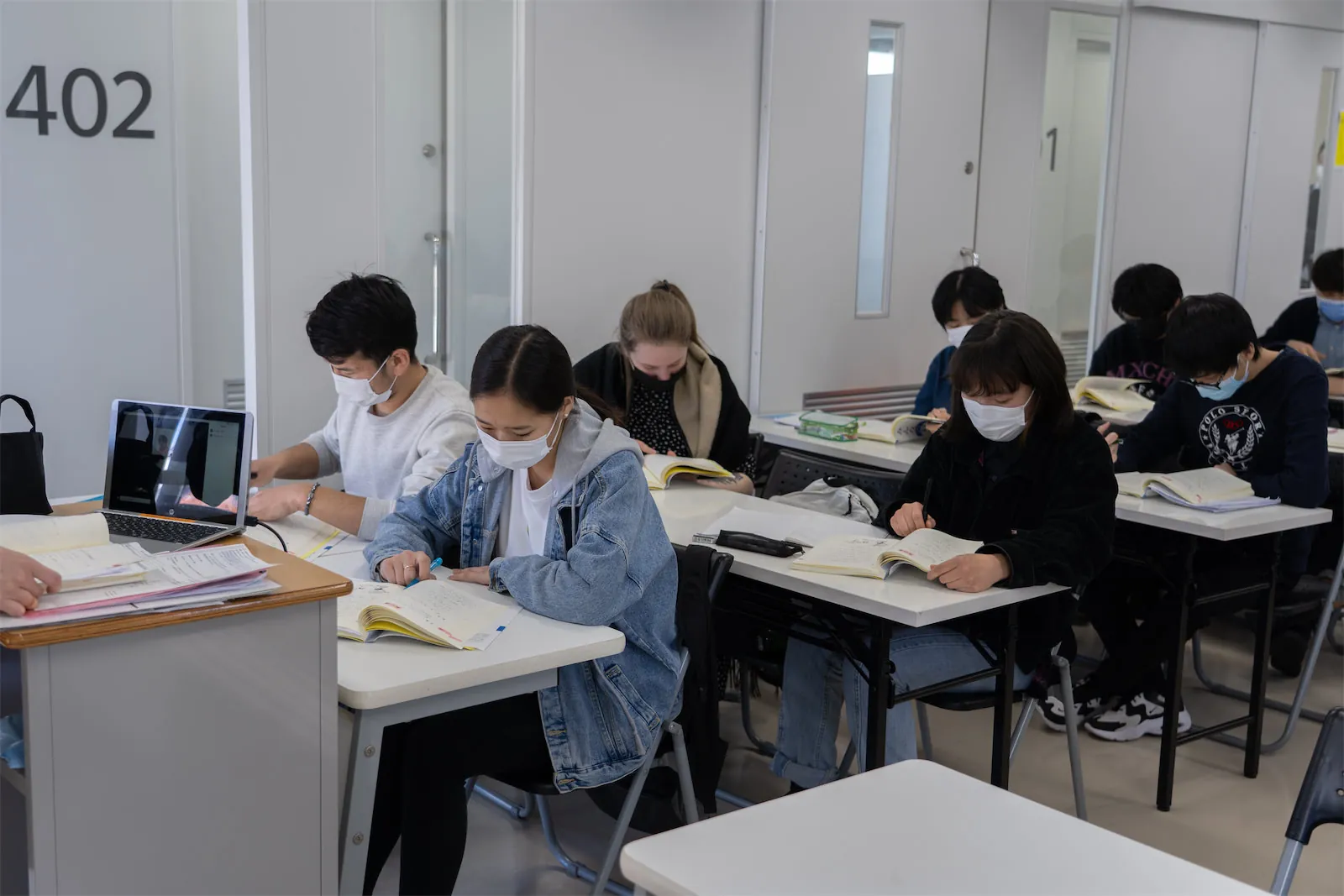
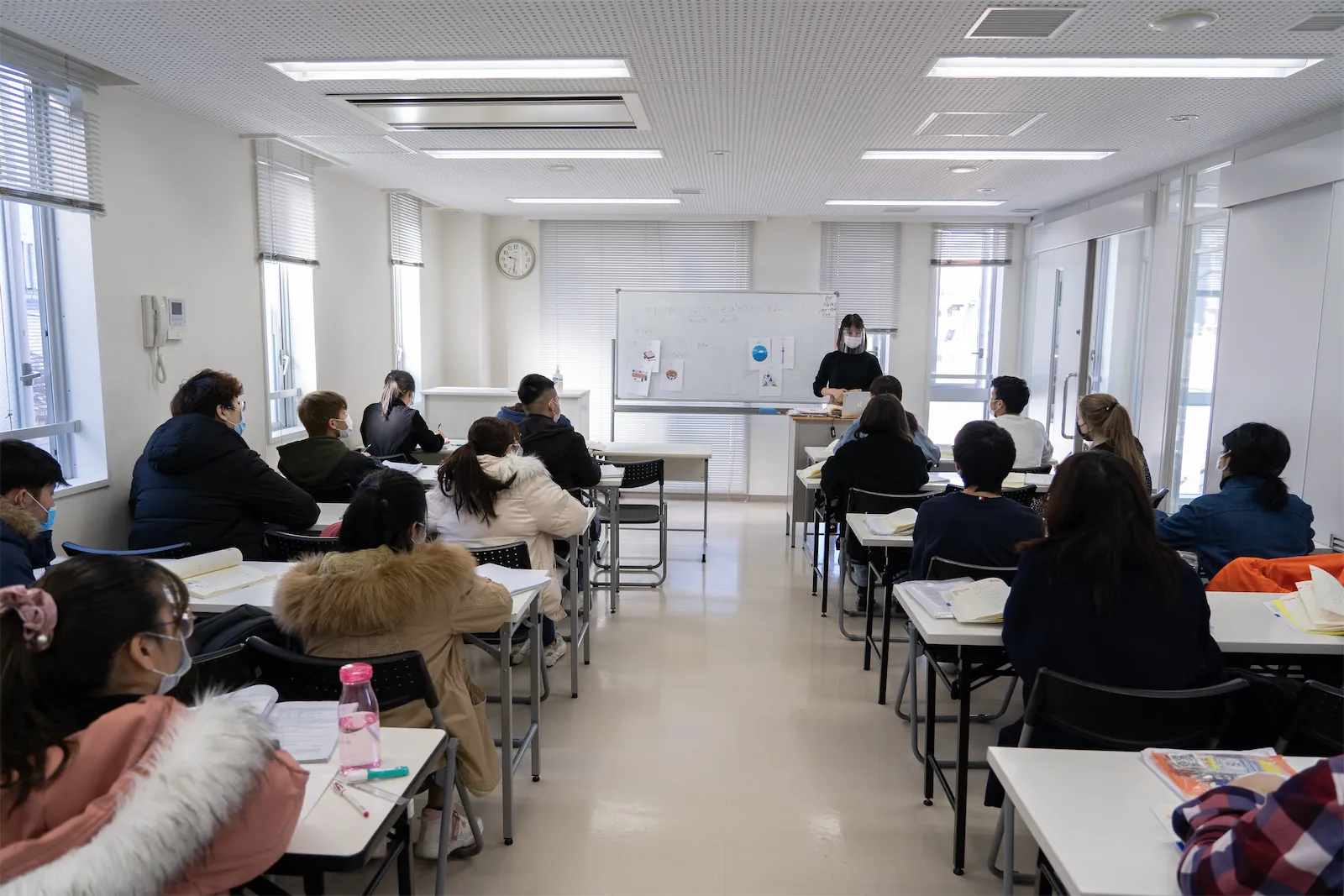
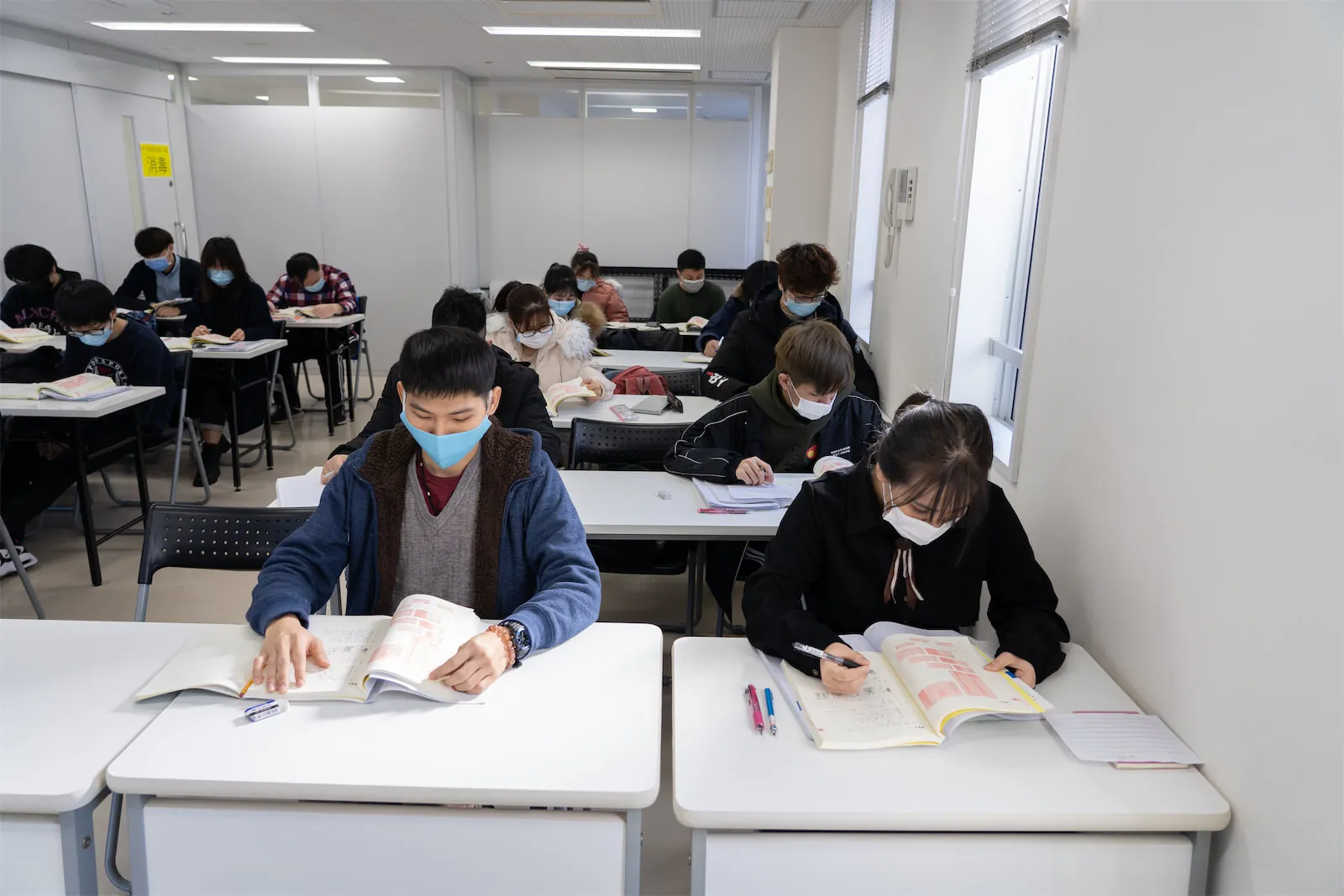
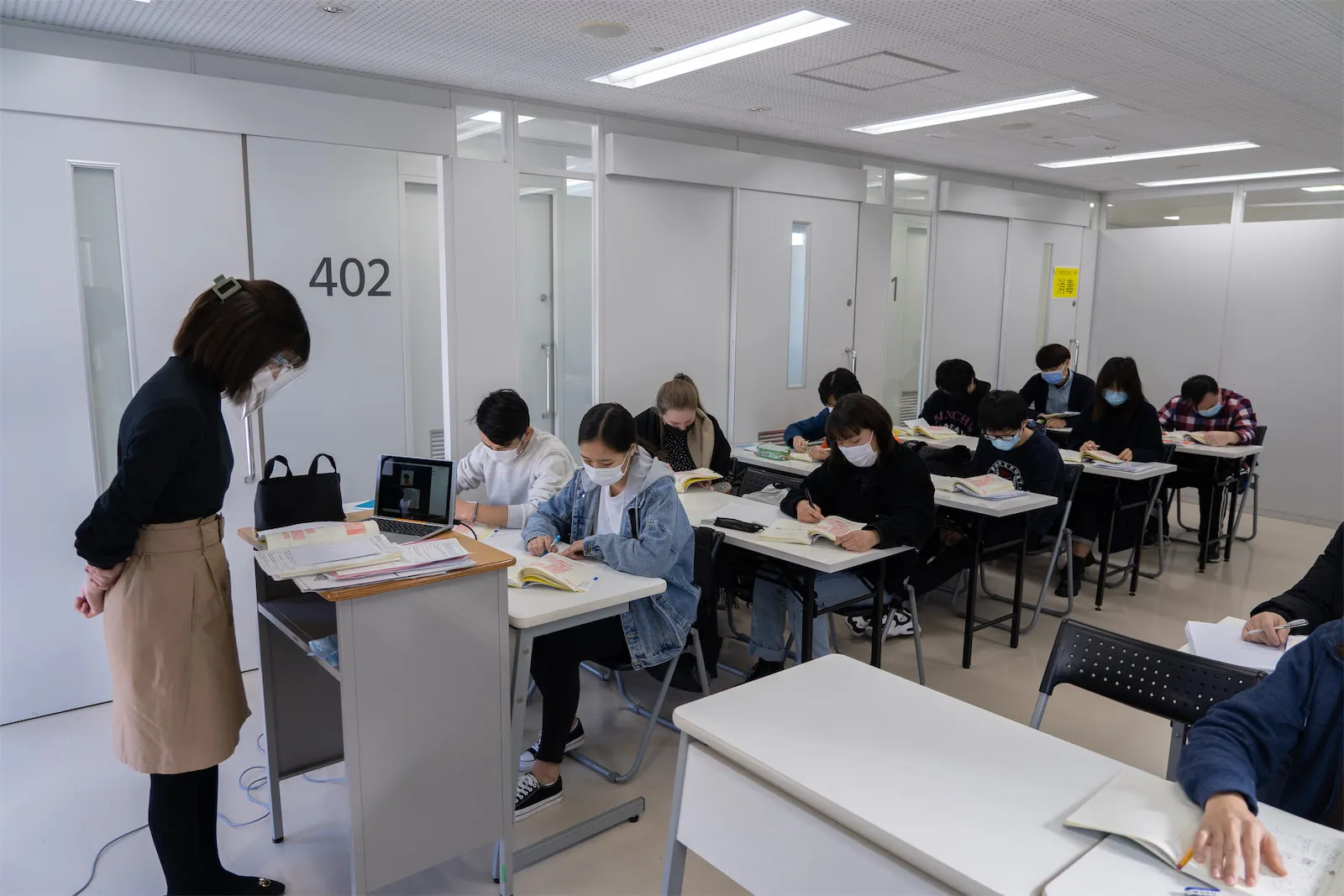
The main program is the student-visa course (留学コース), from 1 year 3 months to 2 years, with intakes in January, April, July and October. Classes run 5 days a week, 4 lessons in a morning or afternoon session, in groups of up to 20. After a test and an interview you are placed in one of 10 levels: general Japanese, kanji by level, listening, reading, speaking, writing and JLPT preparation.
From intermediate level you can choose electives: Japanese through anime and TV dramas, reading literature, pronunciation and exam preparation. The school helps with entry to universities, graduate schools and colleges, and its sister company Bridge Academy helps with part-time work and job hunting: CVs, interviews and changing your visa after a job offer.
Programs
Student-visa course (留学コース)
For students who want to enter a Japanese university or college, work in Japan or learn the language properly. 5 days a week, 4 lessons of 45 minutes in a morning or afternoon session (13:15–16:40); 10 levels from beginner to advanced, groups of up to 20. The school sets your session and level after a test.
Whole course, 2 years¥1,723,000
Electives from intermediate level
Japanese through anime and TV dramas, reading literary texts, pronunciation and intonation, JLPT and EJU exam preparation. Kanji is studied in separate classes by level.
Short-term course
For beginners and anyone who wants to improve their Japanese quickly. 3 months costs ¥184,000–¥198,000.
Private lessons
For people already living in Japan: private daytime lessons — ¥40,000 for 10 lessons of 45 minutes. There are also conversation courses in small groups.
First-year costs
Application fee¥20,000
Enrollment fee¥55,000
Tuition, first year¥684,000
Other fees, first year¥140,000
Total, first year¥899,000
Whole course, 2 years — ¥1,723,000
Payment terms and extra costs
Scholarships and discounts
JASSO scholarship
Only for students on the student-visa course (留学コース), on the school’s recommendation; students with high attendance and good grades are usually chosen. The school announces the amount and number of places when you enroll — check the conditions for the current year.
Intakes
April Main intake
2-year course. Documents to the school from August to October of the previous year, submission to immigration at the end of November, result at the end of February.
July Summer intake
1 year 9 months. Documents from December to February, submission to immigration in mid-March, result at the end of May.
October Autumn intake
1 year 6 months. Documents from February to April, submission to immigration in early June, result at the end of August.
January Winter intake
1 year 3 months. Documents from June to August, submission to immigration in mid-September, result at the end of November. Dates may shift slightly from year to year.
The school applies for your Certificate of Eligibility; with the visa this takes about 4–6 months. Places are limited — apply early.
Student visa. For a long-term course you study on the Student status of residence: the school applies for your Certificate of Eligibility, then you get the visa at a Japanese embassy or consulate. Student visa for Japan · Which documents do I need?
Working while you study. With permission, up to 28 hours a week: Part-time work for students
Housing
Partner dormitory
Partner dormitory near the school
about ¥150,000 / 3 monthsroughly ¥50,000 a month
Up to 7 minutes on foot from school; furnished rooms with everything you need. The school refers you to the dormitory on request — check availability early.
Partner chain
Share houses and guesthouses
from about ¥40,000 / month
A budget option for students. The school works with the Oakhouse share-house chain, which has special offers for SAMU students.
Your own apartment
¥70,000–¥80,000 / monthone-room apartment in Tokyo
When you sign the contract you also pay a deposit, key money and an agency fee — each roughly one month’s rent.
Photos and videos
Location
2-1-6 Hyakunincho, Shinjuku-ku, Tokyo 169-0073 — 3 minutes on foot from Shin-Okubo Station (JR Yamanote Line), 8 minutes from Okubo Station (JR Chuo-Sobu Line)
Questions about SAMU Japanese Language School
Can I start with no Japanese at all?
Yes, the school also accepts complete beginners. On arrival there is a test and an interview to place you in one of 10 levels, and kanji is taught in separate classes by level.
I have 11 years of school. Can I apply?
The school requires 12 or more years of education or an equivalent level. With 11 years of school you usually need to show additional education — for example a college diploma or a certificate of university study. Ask us about your case before you apply.
How much does it cost?
The first year is ¥899,000: application fee ¥20,000, enrollment fee ¥55,000, tuition ¥684,000 and other costs ¥140,000 (materials, facilities, activities, insurance, health checks). The second year is ¥824,000. The 2-year course totals ¥1,723,000 including the application fee.
Is there a dormitory?
The school has no dormitory of its own, but there is a furnished partner dormitory 7 minutes away on foot — about ¥150,000 for 3 months. The school also helps with share houses (from ¥40,000 a month) and apartments.
Can I work part-time?
Yes, once you have permission: up to 28 hours a week (8 hours a day in school holidays). Students most often work in cafés and restaurants, convenience stores and delivery services. Bridge Academy helps you find a job and prepare for the interview.
Does the school help with university entry and jobs?
Yes. For further study — counselling, EJU preparation, help with documents, essays and interviews, and university fairs. For work — seminars, CVs and interviews through Bridge Academy, and help changing your visa after a job offer.
Compare