Schools/Tokyo/
ISI Shinjuku
Tokyo
·Nishi-Shinjuku
ISI Shinjuku
ISIランゲージスクール新宿校
Largest ISI campus
Students from 87 countries
University preparation
About the school
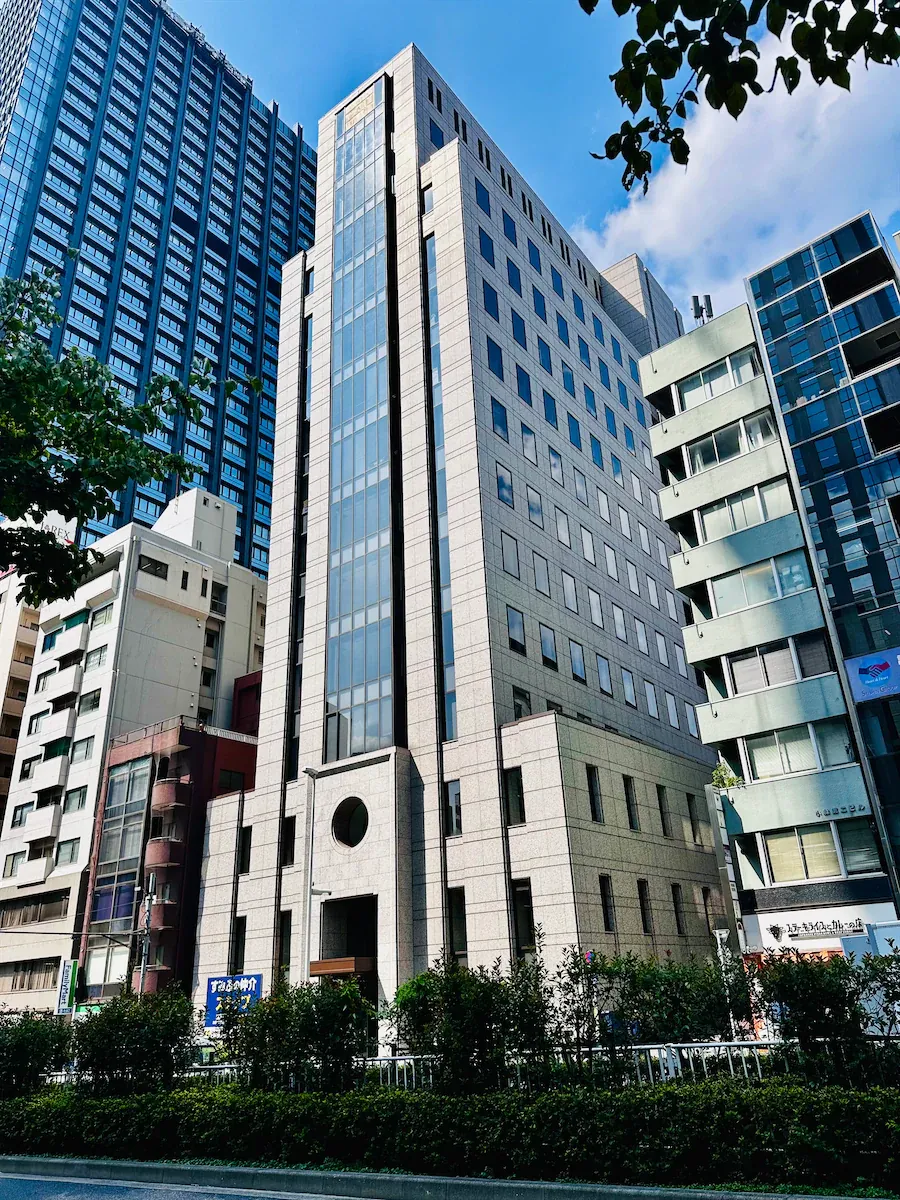
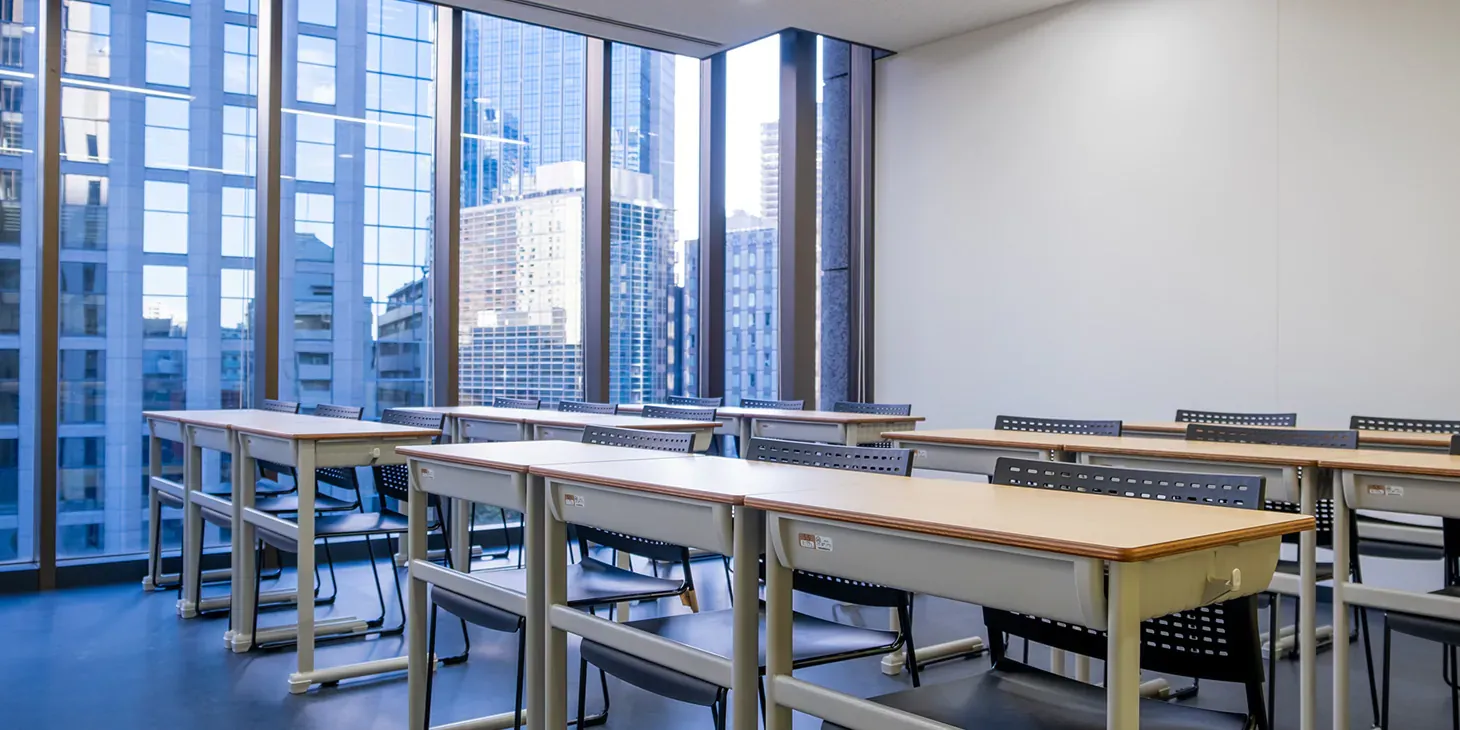
ISI Shinjuku is the ISI group’s largest campus, a 14-storey building in Nishi-Shinjuku with 4,300 places and students from 87 countries. It offers an academic course with EJU and JLPT preparation, its own university prep school and a careers centre.
Founded1977
Students from87 countries
Course length15 months – 2 years
IntakesApr · Jul · Oct · Jan
What makes it different
A 14-storey campus in Nishi-Shinjuku with 4,300 places
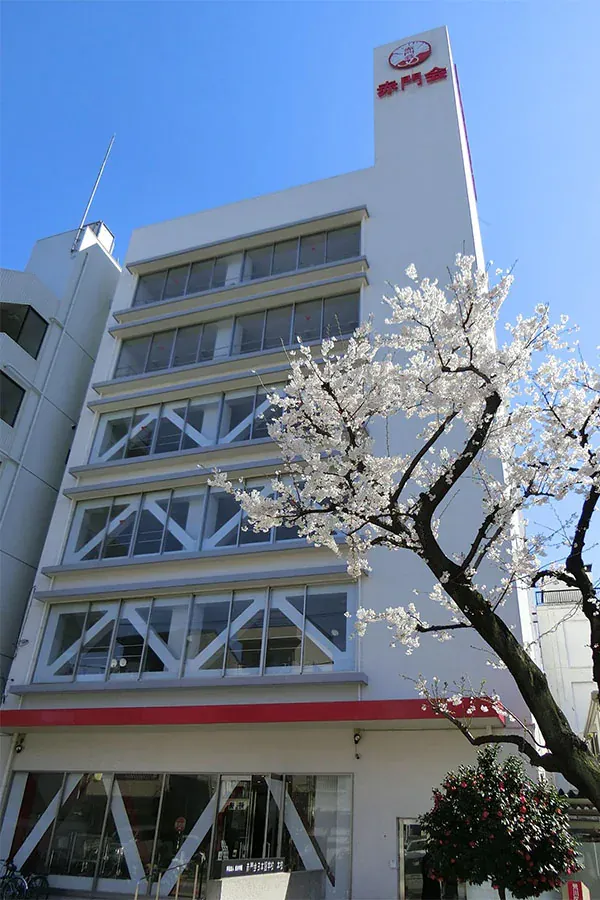
The campus opened in April 2025 in a 14-storey building 3 minutes from Nishi-Shinjuku Station, with places for 4,300 students — one of the largest Japanese language schools in the country.
University entrance
An academic focus on top universities
Academic Japanese, EJU and JLPT preparation, a course for graduate-school applicants and one-to-one advice on choosing a university. The school has its own prep school, JUQ.
Careers
ISI’s own careers centre
Help with CVs, interview preparation, job fairs and a list of vacancies for international students. From intermediate level there is a job-hunting class.
New building
A 14-storey building from 2025
The campus has been in a new 14-storey building since April 2025: 3 minutes on foot from Nishi-Shinjuku Station (Marunouchi Line) and 15 minutes from the west exit of Shinjuku Station.
International
Students from 87 countries
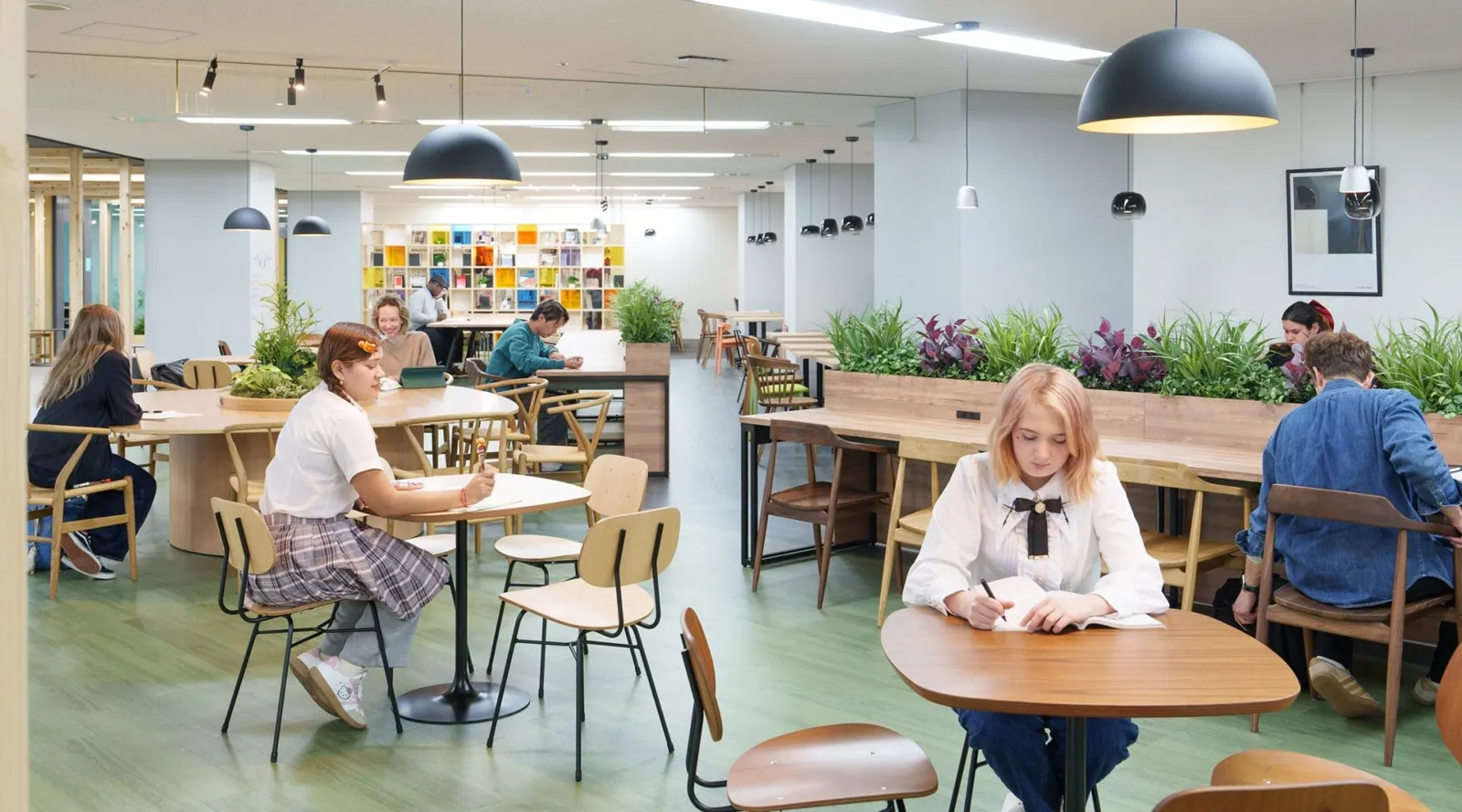
A large, very international campus with more chances to talk, practise Japanese and join events. Staff support students in 12 languages.
ISI Shinjuku (ISIランゲージスクール新宿校) is the flagship campus of the ISI group, one of Japan’s largest education networks, with nine Japanese language schools in Tokyo, Osaka, Kyoto and Nagano. The campus in Nishi-Shinjuku has places for 4,300 students from 87 countries.
The campus opened in April 2025 in a 14-storey building 3 minutes on foot from Nishi-Shinjuku Station (Marunouchi Line), with places for 4,300 students.
ISI Shinjuku has an academic focus: at higher levels you study academic Japanese and prepare for the JLPT and EJU, and there is a course for graduate-school applicants and the school’s own prep school, JUQ. The ISI group also runs its own career support centre: help with CVs, interview preparation, job fairs and vacancies for international students.
Since April 2026 the group has also run a separate campus in Nishi-Shinjuku — ISI Shinjuku Prime.
Programs
Academic Japanese Course
For students planning to enter a Japanese university, graduate school or vocational college. Academic Japanese from beginner to advanced level and one-to-one advice on choosing a university. From intermediate level you choose electives: graduate-school preparation, EJU, JLPT, a job-hunting class and conversation practice. First year (2027/28 fees): ¥1,065,000.
Short-term General Japanese Course
Students who need a short-term visa can get an invitation letter from the school (¥20,000); apply early. Fees (2027/28): 2 weeks ¥102,250, 3 weeks ¥131,500, 4 weeks ¥160,750, 5 weeks ¥171,250, 6 weeks ¥196,750, 7 weeks ¥222,250, 8 weeks ¥232,750.
Whole course¥102,250 – ¥232,750
Class schedule
Morning classes start between 08:50 and 09:35 and end between 12:00 and 12:45; afternoon classes run 13:15–17:10. The school assigns your class and shift based on the placement test.
First-year costs
Application fee¥40,000
Enrollment fee¥100,000
Tuition, first year¥750,000
Other fees, first year¥175,000
Total, first year¥1,065,000
Payment terms and extra costs
Scholarships and discounts
JASSO scholarship — ¥30,000 a month
For students on a student visa with at least 90% attendance over the year, high grades and plans to enter a Japanese university after graduating. Applications in April.
ISI Principal’s Award for Achievement — ¥50,000
One-off payment. For high attendance, excellent grades and at least one year of study at ISI schools.
ISI Principal’s Award for Attendance — ¥30,000
One-off payment. For students on a student visa with no absences and no late arrivals for a whole year.
Intakes
April Main intake
Academic course, 2 years. Applications close at the end of October of the previous year (end of October 2026 for April 2027), or earlier if places run out.
July Summer intake
Academic course, 1 year 9 months. Apply by the end of February of the same year.
October Autumn intake
Academic course, 1 year 6 months. Apply by the end of May of the same year.
January Winter intake
Academic course, 1 year 3 months. Apply by the end of August of the previous year. By January you need about N5 and should be ready to move quickly to N4.
The school applies for your Certificate of Eligibility; with the visa this takes about 4–6 months. Places are limited — apply early.
Student visa. For a long-term course you study on the Student status of residence: the school applies for your Certificate of Eligibility, then you get the visa at a Japanese embassy or consulate. Student visa for Japan · Which documents do I need?
Working while you study. With permission, up to 28 hours a week: Part-time work for students
Housing
ISI dormitory · men only
International House Shakujii-Koen
from ¥55,000 / monthsingle and twin rooms
10 minutes on foot from Shakujii-Koen Station, about 30–40 minutes to the ISI campuses. Furnished rooms with Wi-Fi; shared kitchen, laundry and lounge.
ISI dormitory · mixed
International House Toda
from ¥55,000 / monthseparate floors for men and women
5 minutes on foot from Toda Station (JR Saikyo Line) in Toda City, Saitama Prefecture. Kitchen, dining room, lounge, study room, gym and laundry; auto-lock entrance, security cameras and a live-in manager.
ISI dormitory · women only
International House Musashi-Seki
from ¥55,000 / monthsingle and twin rooms
9 minutes on foot from Musashi-Seki Station on the Seibu-Shinjuku Line, with direct trains to Takadanobaba and Seibu-Shinjuku. Kitchen, dining room and study room; live-in manager.
ISI dormitory
International House Shimo
from ¥109,000 / monthsingle rooms only, bedding included
7 minutes on foot from Shimo Station (Namboku Line) in a quiet, green neighbourhood. Meals in the dining hall are available for an extra fee.
Dormitory fees and terms
One-off fees: entry fee ¥40,000, equipment fee ¥30,000 and cleaning ¥20,000 (single room) or ¥10,000 (twin room). Rent is paid per term (3 months): the first term costs from ¥245,000 (twin room) to ¥417,000. Furniture, appliances, bedding and utilities are included; meals are not. The commute to school takes 20–60 minutes.
Other options
Guesthouses, weekly apartments and homestay
Guesthouse from ¥3,100 a night, weekly apartment from ¥4,500 a night, homestay with a Japanese family (breakfast and dinner) from ¥7,000 a night. We can help you choose and apply for housing together with your school application.
Photos and videos
Location
8-15-1 Nishi-Shinjuku, Shinjuku-ku, Tokyo 160-0023 — 3 minutes on foot from Nishi-Shinjuku Station (Marunouchi Line), 15 minutes from the west exit of Shinjuku Station.
Questions about ISI Shinjuku
What are the entry requirements?
12 years of school education. Students with 11 years of school can be accepted if they are 18 or older and have a secondary-school certificate. You also need about 150 hours of Japanese study or JLPT N5, must be 55 or younger and need proof of funds for your studies. We check your documents before they go to the school.
Can I start with no Japanese at all?
No. The school accepts students from N5 level. Your level is confirmed by an online test and an interview with a school representative when you apply.
How much does the first year cost?
¥1,065,000 for the Academic Japanese Course: application fee ¥40,000, enrollment fee ¥100,000, tuition ¥750,000 and other costs ¥175,000 (fees for April 2027 – March 2028). You can pay every six months.
What is ISI Shinjuku Prime?
A separate, new ISI campus in Nishi-Shinjuku: it opened in April 2026, has 1,600 places and the first year costs ¥1,115,000. See the ISI Shinjuku Prime page for details.
Where can I live while studying?
ISI has four dormitories in Tokyo and neighbouring Toda: a place in a twin room starts at ¥55,000 a month, single rooms cost more, utilities included. Rent is paid per term, with one-off fees of ¥80,000–¥90,000 the first time. Guesthouses, weekly apartments and homestay are also available.
Can I work while studying?
Yes. On a student visa, with permission, you can work up to 28 hours a week (8 hours a day in school holidays). You can get the permission at the airport when you arrive. Short-term course students cannot work.
Compare